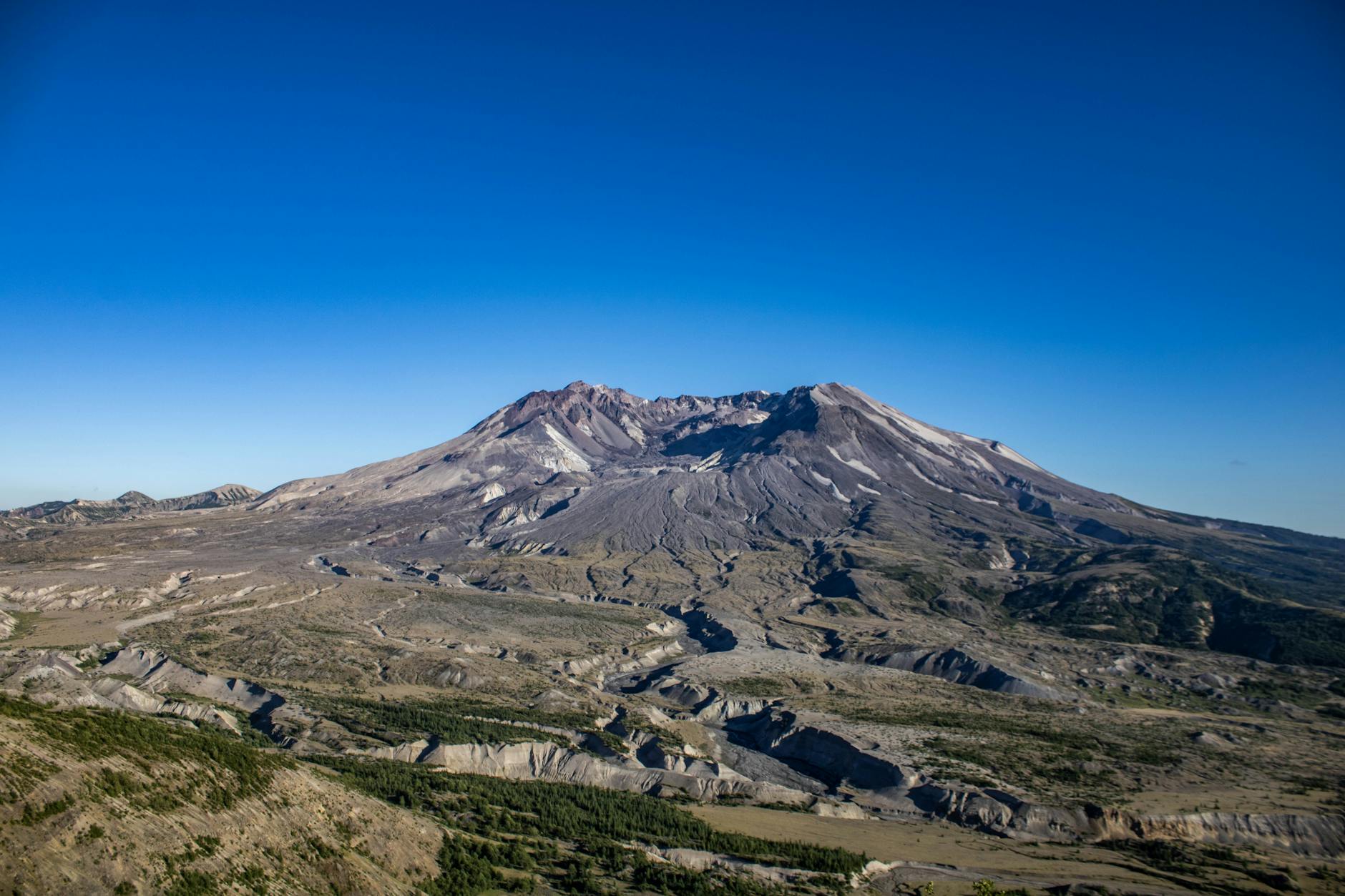
What Are the Best Family-Friendly Activities Near Mt. St. Helens?

What Are the Best Family-Friendly Activities Near Mt. St. Helens?

Finding genuinely family-friendly activities near a major natural landmark like Mt. St. Helens can feel like a guessing game. Many places claim to be suitable for all ages, but often disappoint with limited engagement for kids or options that are too strenuous for younger children. The good news is that the Mt. St. Helens area—just a short drive from our Castle Rock cabin—can be an outdoor classroom and an adventure zone in the same day.

Visitor Centers: A Smart First Stop

Visitor centers are more than information desks. They help kids understand what they are looking at, they usually have the best interpretive exhibits, and they are where you will hear the latest updates on road access, closures, and conditions.

Johnston Ridge Observatory

Temporary Closure Notice
Johnston Ridge Observatory is currently closed until further notice due to a landslide affecting access roads. The viewpoint itself is not accessible right now.

When it is open, Johnston Ridge is the iconic stop. It sits very close to the crater and gives the most dramatic, up-close perspective of the blast zone. Families love it because the main experience is big views, great exhibits, and short, easy walks that work well for younger kids.

Best alternative while Johnston Ridge is closed
If you want a high-reward volcano day without Johnston Ridge, plan around the Mount St. Helens Visitor Center at Silver Lake for exhibits and orientation, then pair it with Hummocks Trail for a short, kid-friendly walk through the post-eruption landscape. It still feels like a real Mt. St. Helens experience, and it is an easy day from the cabin.

Forest Learning Center

Operated by Weyerhaeuser, this center focuses on forest recovery and reforestation after the 1980 eruption. It is a great stop for kids because the exhibits are approachable and it connects the eruption story to what families can see in the landscape today.

Mount St. Helens Visitor Center near Silver Lake

This is the easiest visitor center to reach from I-5, which makes it a smart first stop. It gives a broad overview of the eruption, the geology, and the surrounding region. It is especially good for families with very young kids or anyone who wants a strong “big picture” before choosing a longer drive.

Easy Hikes and Nature Walks for All Ages

You do not need a big hike to have a memorable day here. Look for short loops, interpretive trails, and viewpoints where kids can move their bodies without everyone committing to a long climb.

Hummocks Trail

This is one of the best “payoff for effort” trails in the area. It is a loop with big views and a landscape that feels different from typical Northwest forest trails. It is also a solid choice for spotting wildlife, especially early or later in the day.
Hummocks Trail on WTA

For a broader list of options, see our full guide to things to do near Mt. St. Helens.

Subterranean Adventures: Ape Cave Lava Tube

Ape Cave is a must-do for adventurous families, but it rewards preparation. This lava tube is one of the most memorable experiences near Mt. St. Helens, especially on a hot summer day when the cave feels like natural air conditioning.

There are two common options: the lower cave, which is easier and flatter, and the upper cave, which is longer and involves more scrambling. Headlamps are strongly recommended, sturdy shoes matter, and the cave stays cold, so bring a layer even if the day is warm.

Before you pack the car, read our detailed Family Guide to Ape Cave for tips on gear, safety, and which route is best for your kids. (For official daily status updates, you can also check the Forest Service page.)

Wildlife Watching and Nature Discovery

The Mt. St. Helens area is a recovering ecosystem, and kids tend to love that it feels alive and changing. Elk, deer, and plenty of birdlife are common. If you bring binoculars, wildlife watching turns into a quiet scavenger hunt.

The best windows are usually early morning and early evening, especially near the Toutle River. Look for open clearings and meadow edges. For more local tips on where to look, see our guide to wildlife and nature near Mt. St. Helens.

Build a Simple Family Day Plan

  • Short day: Visitor Center at Silver Lake + Hummocks Trail + back to the cabin for the hot tub
  • Adventure day: Ape Cave + Trail of Two Forests + a slow drive with scenic pullouts
  • Rainy day energy: Visitor center exhibits + short walk + early dinner in Castle Rock

If you want to keep planning, our main hub page is here: Things to Do Near Mt. St. Helens.

Seasonal Activities Near Mount St. Helens: What To Do Year-Round

Seasonal Activities Near Mount St. Helens: What To Do Year-Round

Many visitors pigeonhole Mount St. Helens as a summer-only trip. That’s a mistake. While the peak season offers undeniable benefits, dismissing the other nine months means you’re missing out on some of the most unique and rewarding experiences the area provides. The truth is, Mount St. Helens offers distinct, compelling activities every single season, catering to different interests and energy levels. Understanding these seasonal shifts isn’t just about avoiding disappointment; it’s about optimizing your visit for exactly what you want to see and do.

Spring: Witnessing Rebirth and Thaw

Spring near Mount St. Helens is a season of dramatic transformation. Snow begins its retreat, revealing a vibrant, awakening ecosystem. This is prime time for viewing wildflowers, especially in late April and May, painting the recovering blast zone with unexpected splashes of color. Trails at lower elevations, like those around the Ape Cave or along the Lewis River, become accessible earlier, often by March or April.

Planning a trip to Mount St. Helens in spring? Be prepared for variable conditions. While the crowds are lighter than in summer, you’ll encounter mud, lingering snow patches at higher elevations, and unpredictable weather. Dress in layers. Your best bet for early spring is focusing on forest hikes or scenic drives like the Spirit Lake Memorial Highway (SR 504) as it opens up. For more ideas on experiencing the natural beauty, check out our guide to wildlife and nature near Mount St. Helens.

Summer: Peak Views and Popular Trails

Summer, from June through early September, is undoubtedly the most popular time to visit. The advantages are clear: all roads and visitor centers are typically open, and the weather is generally warm and sunny. This is when you can access the most iconic trails, including those leading to viewpoints like Johnston Ridge Observatory, or even attempt a summit climb (which requires a permit booked well in advance).

The downside? Crowds. Expect full parking lots and busy trails, especially on weekends. To mitigate this, arrive early in the morning, or consider visiting on weekdays. Popular hikes like the Hummocks Trail or the Boundary Trail offer unparalleled views of the crater and lava dome. If you’re looking for comprehensive options, our main page on things to do near Mount St. Helens is an excellent resource for planning your summer adventure.

Fall: Colors, Crisp Air, and Fewer People

Fall, typically late September through October, is arguably the most underrated season for a Mount St. Helens visit. The summer crowds dissipate, but the weather often remains pleasant, offering crisp air and clear skies. The changing foliage along the river valleys and lower slopes creates a stunning visual contrast with the stark, grey volcanic terrain.

This is an excellent time for photography and enjoying a quieter experience on trails that might have been packed just weeks before. Roads usually remain open, though some facilities might begin to reduce hours or close for the season by late October. Check the official U.S. Forest Service website for current road conditions and facility operating hours before you go. The cooler temperatures make longer hikes more comfortable, and the golden light of autumn adds a dramatic flair to the already impressive scenery.

Winter: Solitude and Snow Sports

Winter transforms Mount St. Helens into a serene, snow-covered expanse. While access is more limited due to road closures (SR 504 typically closes past the Science and Learning Center at Coldwater by November), this season offers a unique, tranquil beauty. For those equipped for it, snowshoeing and cross-country skiing are exceptional ways to experience the monument.

The snow-covered trails and quiet forests provide an unparalleled sense of solitude. Popular areas for winter recreation include the Marble Mountain Sno-Park, offering access to trails like the Worm Flows route for experienced mountaineers, or simpler routes for snowshoeing. Always check avalanche forecasts and weather conditions before venturing out. Visiting Mount St. Helens in winter requires careful planning and a respect for the elements, but the reward is a truly unforgettable, peaceful experience.

Making Your Year-Round Visit a Success

No matter the season, preparation is key. Always check current weather forecasts, road conditions, and visitor center operating hours before heading out. The Mount St. Helens National Volcanic Monument website (an excellent external resource: fs.usda.gov/mountsthelens) provides real-time updates that are absolutely essential for a safe and enjoyable trip. Each season brings its own character, its own challenges, and its own rewards. Don’t limit your perception of this magnificent area to just one time of year.

Ready to plan your escape to the Mount St. Helens area? Whether you’re seeking a summer adventure or a winter retreat, we can help you find the perfect base for your exploration. Get in touch to discuss your needs and discover available accommodations.

How to Visit Mt. St. Helens During the Johnston Ridge Closure

Mt St Helens

The road to Johnston Ridge Observatory remains closed following the 2023 landslide, and that has quietly changed how Mount St. Helens is best experienced. Many visitors still plan trips around a viewpoint that is no longer accessible.

The mountain itself has not become less interesting. The experience has simply shifted. Right now, the most practical and rewarding options are on the south and west sides of Mount St. Helens, especially near the Toutle River, where access is reliable and the landscape still tells the full story.

Start With What Is Actually Open

If you are arriving without a clear plan, the Mount St. Helens Visitor Center at Silver Lake is the best first stop. It provides context on the eruption, the recovery, and the geography without relying on closed roads or seasonal access.

The nearby boardwalk loop is flat and quiet, making it a good way to reset after travel. It also sets expectations correctly. Mount St. Helens is not a single viewpoint anymore. It is a region you move through.

Trails That Still Show the Impact of the Eruption

You do not need to reach the crater rim to understand what happened here. Several lower-elevation trails remain open and do a better job than most people expect.

  • Hummocks Trail offers a clear look at the debris fields and young forest created by the 1980 eruption.
  • Coldwater Lake Trail provides wide views and calmer terrain, especially useful when weather limits higher elevations.
  • Seaquest State Park is well suited for shorter walks close to Silver Lake and the visitor center.

If you are planning around road closures or shoulder seasons, this approach works better than trying to force access to a single destination. We break this down in more detail in our guide on how to visit Mount St. Helens during the Johnston Ridge closure.

Underground and Volcanic Features Still Worth the Trip

Even with certain roads closed, some of the most memorable experiences remain fully accessible. Ape Cave is a good example. It offers a direct encounter with volcanic geology rather than a distant view.

If you plan to visit, timing and preparation matter. Our Ape Cave hiking guide covers what to expect, when to go, and how to avoid common mistakes.

Time on the Water Matters More Than People Expect

The Toutle River and nearby Silver Lake offer a slower, quieter way to experience the area. Fishing, paddling, or simply spending time near the water often ends up being the part of the trip people remember most.

Wildlife sightings are common, especially early in the day or near dusk. Eagles, otters, and deer are part of the normal rhythm here. If that is a priority, our guide to wildlife watching near Castle Rock goes into more detail.

For anglers, we have also put together a focused Toutle River fishing guide that covers access points and seasonal considerations.

Plan for More Than One Day

With Johnston Ridge off the table, Mount St. Helens is no longer a single-stop destination. It works best as a multi-day visit with flexibility built in for weather and road conditions.

If you are visiting outside peak summer months, our overview of seasonal activities near Mount St. Helens can help set expectations. Families traveling together may also want to review what tends to work best in our post on family-friendly activities near Mount St. Helens.

Staying close to the mountain makes this kind of pacing easier. Shorter drives mean earlier starts, quieter evenings, and less time spent managing logistics. For visitors looking for a calm base near the south side, our riverfront cabin retreat was designed with this type of trip in mind.


Mount St. Helens has not become harder to visit. It has simply become less forgiving of outdated plans. If you focus on what is open, stay nearby, and give yourself time, the experience is still quiet, powerful, and worth the effort.