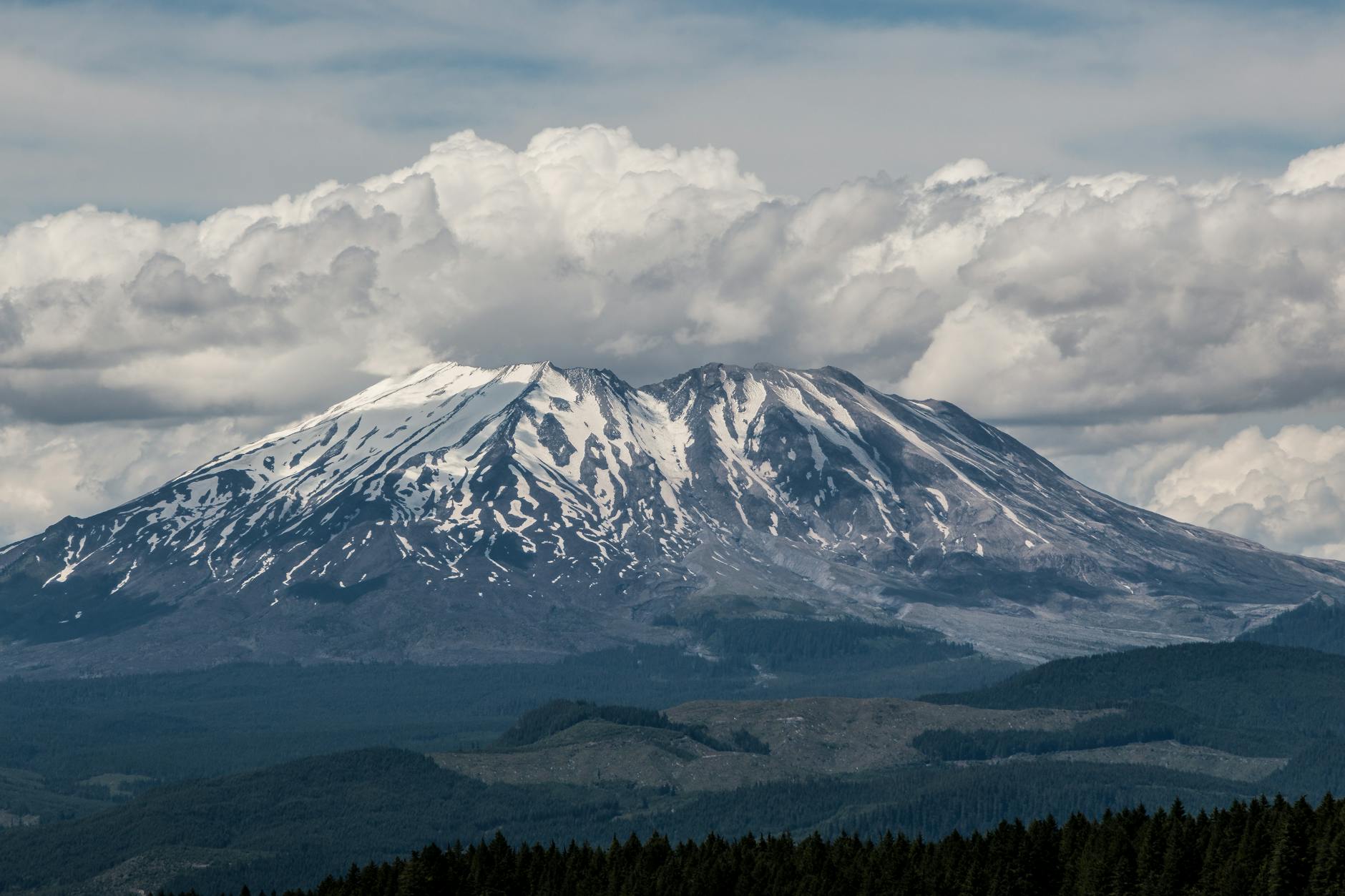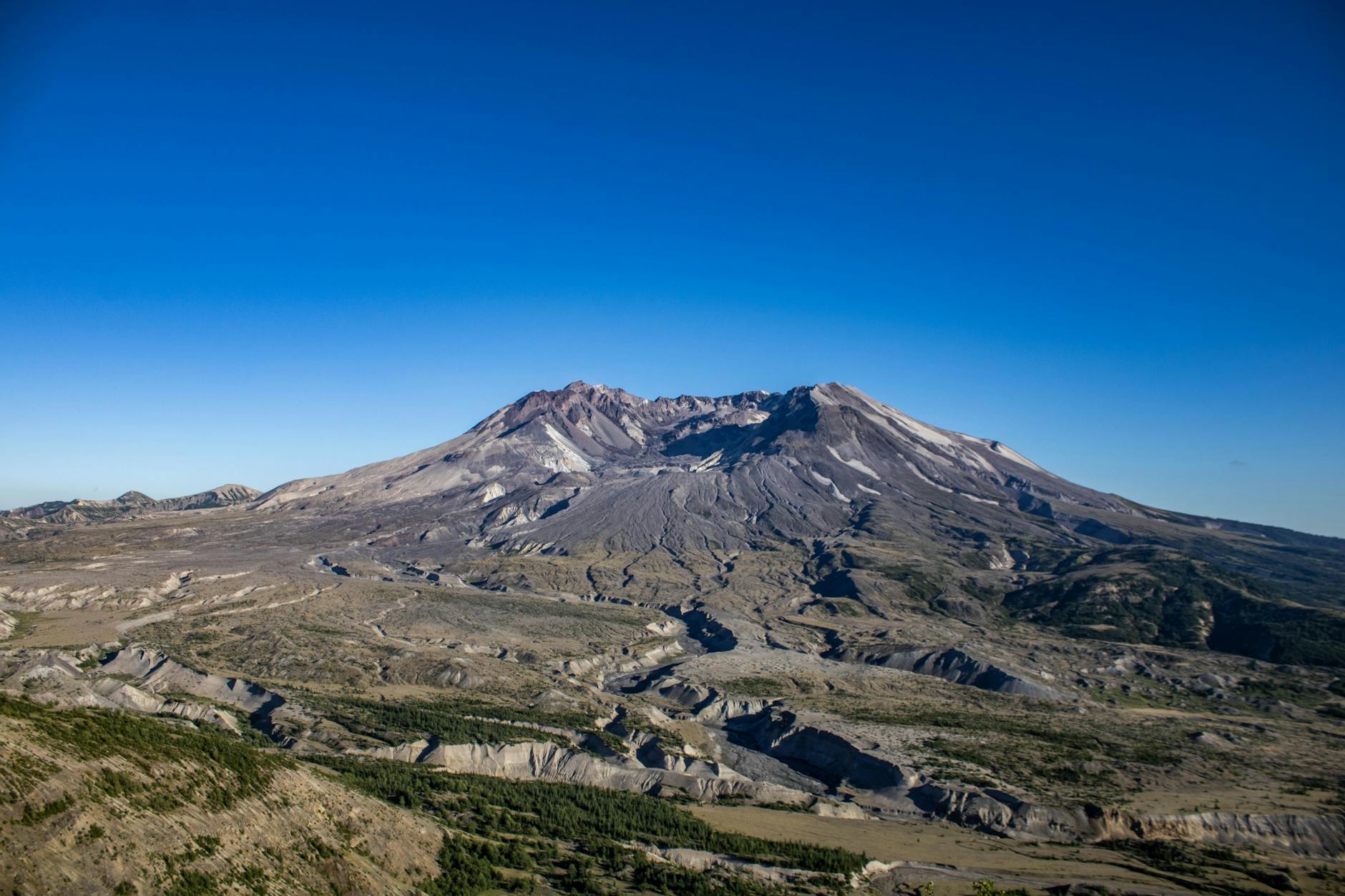
What Are the Best Scenic Drives Near Mt. St. Helens for Nature Enthusiasts?

What Are the Best Scenic Drives Near Mt. St. Helens for Nature Enthusiasts?

Forget the casual glance; to truly experience Mt. St. Helens, you need to drive it. Not just past it, but *into* its aftermath and surrounding wildness. The best scenic drives here aren’t just roads; they’re journeys through a living geological monument and vibrant re-emerging ecosystems. These are the places we love best.

The Essential Drive: Spirit Lake Memorial Highway (SR 504)

If you only have time for one scenic drive near Mt. St. Helens, make it State Route 504, the Spirit Lake Memorial Highway. This isn’t just a road; it seems more like a testament to nature’s power and resilience, leading directly into the heart of the 1980 blast zone.

From the moment you turn off I-5, the views begin to open up. You’ll pass through areas of forest that barely remember the eruption, then suddenly, there it is. The highway winds its way east, offering increasingly dramatic vistas of the mountain, the debris avalanche, and the eerie, log-choked Spirit Lake. This drive is about the stops. The Johnston Ridge Observatory (once it is open again), at the highway’s end, is a must-see. It offers unparalleled, direct views into the crater. Along the way, pull over at Coldwater Lake for a serene contrast to the starkness, or hike one of the many trails for a closer look at the recovery. For anyone interested in understanding the region’s unique wildlife and its natural return, this highway provides the ultimate classroom. You can learn more about the diverse ecosystems and wildlife in the area by exploring our guide to wildlife and nature near Mt. St. Helens.

For the Adventurous: Windy Ridge Road (FR 99)

While SR 504 offers the classic, close-up perspective, Forest Road 99 (Windy Ridge Road) provides a different, equally stunning experience. This route, typically open from late spring through fall (check conditions before you go), approaches Mt. St. Helens from the east, offering a more raw, less developed feel. It’s a longer, winding journey through dense forest before breaking out into spectacular views of the blast zone, Spirit Lake, and the mountain itself, often from an elevated, panoramic angle.

The road culminates at Windy Ridge, which puts you surprisingly close to the crater. The drive itself is part of the adventure, traversing varied terrain and presenting opportunities for spontaneous stops at lesser-known viewpoints. This route feels more remote, more like an expedition. If you’re looking for a less crowded perspective and don’t mind a longer drive, FR 99 is your best bet for a truly immersive experience of the mountain’s eastern face.

Into the Wild: Lewis River Road (FR 90 & FR 25)

For those who prioritize lush forests, waterfalls, and a sense of deep wilderness over direct volcano views, the Lewis River Road system (comprising parts of FR 90 and FR 25) is an excellent choice. This southern approach to the Mt. St. Helens National Volcanic Monument doesn’t put you face-to-face with the crater, but it surrounds you with the vibrant, recovering forests and powerful rivers that define the region.

This drive is less about the volcano and more about the rich natural beauty of the Gifford Pinchot National Forest. Think towering old-growth trees, roaring waterfalls like Lower, Middle, and Upper Lewis River Falls, and numerous trailheads leading to pristine hiking opportunities. It’s an ideal route for nature enthusiasts who want to combine a scenic drive with opportunities for hiking, fishing, or simply enjoying the quiet solitude of the forest. If you’re looking for other activities in the area, particularly those suited for families, you might find our guide to family-friendly activities near Mt. St. Helens helpful.

Planning Your Mt. St. Helens Scenic Drive

Regardless of which drive you choose, preparation is key. Roads like FR 99 and even parts of SR 504 can be subject to seasonal closures, especially in winter and early spring. Always check current road conditions before you head out, particularly if you’re planning your trip for late 2026 or early 2027. The U.S. Forest Service website is the authoritative source for these updates. Pack plenty of water, snacks, and definitely a full tank of gas, as services are limited once you enter the Monument. Most importantly, allow ample time. These aren’t drives to rush through; they are experiences to savor.

For a broader understanding of all there is to do in this incredible region, from hiking the eerie Ape Cave to exploring various visitor centers, check out our comprehensive guide to things to do near Mt. St. Helens.

Whether you seek the stark beauty of the blast zone or the lush tranquility of ancient forests, Mt. St. Helens offers a driving experience unlike any other. These routes provide not just stunning views but a profound connection to the raw power and enduring spirit of the natural world.

Ready to plan your unforgettable journey to Mt. St. Helens and explore these incredible drives? Contact us to learn more about accommodations and making the most of your visit.

Photography Tips For Capturing The Beauty Of Mount St. Helens Throughout The Seasons

Photography Tips For Capturing The Beauty Of Mount St. Helens Throughout The Seasons

Mount St. Helens is a stunning subject for photographers year-round. Whether you’re an amateur with a smartphone or a seasoned pro with a DSLR, this volcanic wonder offers limitless opportunities to capture its magnificence. As you plan your visit, keep these expert tips in mind to get the most out of your photography experience.

Spring: Vibrant New Beginnings

Spring at Mount St. Helens is a time of renewal. The landscape bursts into life with wildflowers and lush greenery. If you’re looking to capture these vibrant scenes, timing is everything. Visit in late spring when the snow has melted and the flowers are in full bloom.

For the best shots:

  • Arrive early in the morning to take advantage of the soft, diffused light.
  • Use a macro lens to capture the intricate details of the wildflowers.
  • Experiment with different angles to highlight the contrast between the new growth and the rugged volcanic terrain.

Summer: Long Days and Clear Skies

Summer offers long daylight hours and often clear skies, ideal for expansive landscape photography. The trails are more accessible, allowing you to explore different vantage points.

To optimize your summer shots:

  • Use a polarizing filter to enhance the blue skies and reduce glare.
  • Consider shooting during the golden hour, shortly after sunrise or before sunset, to add warmth and depth to your images.
  • Capture panoramic shots from Windy Ridge for a breathtaking view of the crater and surrounding scenery.

Fall: Rich Colors and Dramatic Contrasts

Autumn transforms Mount St. Helens into a tapestry of warm hues. The changing colors offer a dynamic backdrop, perfect for photographers looking to capture the essence of this season.

Key tips for fall photography:

  • Focus on the contrast between the colorful foliage and the stark volcanic rock.
  • Utilize a wide-angle lens to encompass the vastness of the terrain.
  • Experiment with various settings to capture the shifting light during this transitional season.

Winter: A Serene Snow-Covered Landscape

Winter cloaks Mount St. Helens in a serene blanket of snow, creating a stark and beautiful landscape. While access may be limited, the views are worth the effort.

For stunning winter images:

  • Dress warmly and prepare for cold conditions, as the best shots often require patience.
  • Use a tripod to stabilize your camera and capture the crisp, clear images winter offers.
  • Photograph after a fresh snowfall to capture the pristine, untouched scenery.

Practical Considerations

Before heading to Mount St. Helens, check the latest weather conditions and trail accessibility. The US Forest Service provides updates and safety tips that are essential for planning your visit. Always respect the natural environment and stay on designated paths.

After capturing your perfect shots, consider unwinding at the Cozy River Cabin Retreat. Nestled along the Toutle River, it offers a peaceful escape close to the volcano.

Ready to plan your photographic adventure? Contact us to schedule your stay and explore the beauty of Mount St. Helens throughout the seasons.

Birdwatcher’s Paradise: Bald Eagles, Osprey, and Seasonal Birds Along the Toutle River

Birdwatcher’s Paradise: Bald Eagles, Osprey, and Seasonal Birds Along the Toutle River

Birding along the Toutle River is not a passive activity. It requires timing and specific local knowledge. While high-elevation trails near the volcano get the most press, the river valley offers more consistent wildlife sightings throughout the year. For those planning a trip in 2026 or 2027, the river corridor remains one of the most reliable spots in Washington State to observe raptors and migratory species in their natural habitat.

The geography of the Toutle River has created a unique environment for birds of prey. The river is wide, shallow in many spots, and filled with the woody debris that attracts fish. This attracts the birds. You do not need to hike miles into the backcountry to see world-class avian activity. Most of the action happens right along the banks, often visible from the porch of a well-placed rental or a quiet riverside turnout.

Related Guides (Most Common Issues)

Watching Resident Bald Eagles

Bald eagles are the year-round kings of the Toutle River. Unlike migratory populations that only visit for the winter, many pairs are permanent residents here. They have established large, messy nests in the tall cottonwoods and evergreens that line the valley. These birds are territorial. If you find a nest site, you can expect to see the same pair year after year.

During the 2026 winter months, eagle activity peaks as northern birds move south to join the locals. They congregate near the river to hunt for salmon and trout. Look for them on the grey snags left over from previous geological shifts. These bare trees provide perfect vantage points. A pair of 8×42 binoculars is usually enough to get a clear view, as the birds often perch surprisingly close to the water.

Osprey: The Summer Hunters

If you visit between April and September, the osprey take center stage. These “fish hawks” are seasonal visitors that migrate from South and Central America. They are loud, active, and fascinating to watch. While eagles are scavengers as much as they are hunters, osprey are specialists. They dive feet-first into the river, sometimes disappearing completely under the surface before emerging with a fish.

The stretch of the Toutle River near the Spirit Lake Memorial Highway is a prime hunting ground. The birds prefer the shallower sections where the river braids over gravel bars. Because they are vocal, you will often hear their high-pitched whistling before you see them. They frequently nest on man-made structures or the tops of broken snags, making them easy to photograph from a distance.

Seasonal Migrants and Songbirds

The Toutle River valley is a busy corridor for the Pacific Flyway. Beyond the raptors, the seasonal shift in bird populations is dramatic. In the spring, the brush along the river fills with warblers, flycatchers, and swallows. The American Dipper is a year-round resident you should look for. These small, grey birds actually “walk” underwater in the faster currents of the river to find aquatic insects.

  • Great Blue Herons: Often found standing motionless in the eddies.
  • Belted Kingfishers: Look for their erratic flight and rattling call.
  • Common Mergansers: These ducks are frequent sights floating down the swifter channels.
  • Western Tanagers: Their bright colors appear in the forest canopy during late spring.

The Audubon Bird Guide is an excellent resource for identifying the specific subspecies found in the Pacific Northwest. Knowing the difference between a juvenile eagle and a mature hawk can change your entire viewing experience.

Planning Your 2026 Birding Trip

Timing is everything. Morning is the best time for raptor activity. The birds are most active when the thermal currents begin to rise, allowing them to soar with minimal effort. If you are staying at a riverfront property, the first two hours after sunrise provide the best lighting and the highest chance of seeing a kill.

Respect the wildlife. Use long lenses and binoculars rather than trying to get close. Nesting birds are particularly sensitive to human presence. Staying on established paths or viewing from a deck keeps the birds comfortable and ensures they return to the same spots every season. For more information on navigating the area, see our Mount St. Helens visitor guide.

The Toutle River is a living system. It changes with the weather and the seasons. Whether you are a serious lister or someone who just enjoys the sight of an eagle soaring over the water, this region offers a level of access that is hard to find elsewhere. The mix of volcanic history and recovering forest has created a sanctuary that is only getting better with time.

If you are ready to experience the quiet side of the Mount St. Helens area, we can help you get started. Get in touch to learn more about the best times to visit for specific bird sightings or to book your stay.

Contact us

How to Visit Mt. St. Helens During the Johnston Ridge Closure

Mt St Helens

The road to Johnston Ridge Observatory remains closed following the 2023 landslide, and that has quietly changed how Mount St. Helens is best experienced. Many visitors still plan trips around a viewpoint that is no longer accessible.

The mountain itself has not become less interesting. The experience has simply shifted. Right now, the most practical and rewarding options are on the south and west sides of Mount St. Helens, especially near the Toutle River, where access is reliable and the landscape still tells the full story.

Start With What Is Actually Open

If you are arriving without a clear plan, the Mount St. Helens Visitor Center at Silver Lake is the best first stop. It provides context on the eruption, the recovery, and the geography without relying on closed roads or seasonal access.

The nearby boardwalk loop is flat and quiet, making it a good way to reset after travel. It also sets expectations correctly. Mount St. Helens is not a single viewpoint anymore. It is a region you move through.

Trails That Still Show the Impact of the Eruption

You do not need to reach the crater rim to understand what happened here. Several lower-elevation trails remain open and do a better job than most people expect.

  • Hummocks Trail offers a clear look at the debris fields and young forest created by the 1980 eruption.
  • Coldwater Lake Trail provides wide views and calmer terrain, especially useful when weather limits higher elevations.
  • Seaquest State Park is well suited for shorter walks close to Silver Lake and the visitor center.

If you are planning around road closures or shoulder seasons, this approach works better than trying to force access to a single destination. We break this down in more detail in our guide on how to visit Mount St. Helens during the Johnston Ridge closure.

Underground and Volcanic Features Still Worth the Trip

Even with certain roads closed, some of the most memorable experiences remain fully accessible. Ape Cave is a good example. It offers a direct encounter with volcanic geology rather than a distant view.

If you plan to visit, timing and preparation matter. Our Ape Cave hiking guide covers what to expect, when to go, and how to avoid common mistakes.

Time on the Water Matters More Than People Expect

The Toutle River and nearby Silver Lake offer a slower, quieter way to experience the area. Fishing, paddling, or simply spending time near the water often ends up being the part of the trip people remember most.

Wildlife sightings are common, especially early in the day or near dusk. Eagles, otters, and deer are part of the normal rhythm here. If that is a priority, our guide to wildlife watching near Castle Rock goes into more detail.

For anglers, we have also put together a focused Toutle River fishing guide that covers access points and seasonal considerations.

Plan for More Than One Day

With Johnston Ridge off the table, Mount St. Helens is no longer a single-stop destination. It works best as a multi-day visit with flexibility built in for weather and road conditions.

If you are visiting outside peak summer months, our overview of seasonal activities near Mount St. Helens can help set expectations. Families traveling together may also want to review what tends to work best in our post on family-friendly activities near Mount St. Helens.

Staying close to the mountain makes this kind of pacing easier. Shorter drives mean earlier starts, quieter evenings, and less time spent managing logistics. For visitors looking for a calm base near the south side, our riverfront cabin retreat was designed with this type of trip in mind.


Mount St. Helens has not become harder to visit. It has simply become less forgiving of outdated plans. If you focus on what is open, stay nearby, and give yourself time, the experience is still quiet, powerful, and worth the effort.