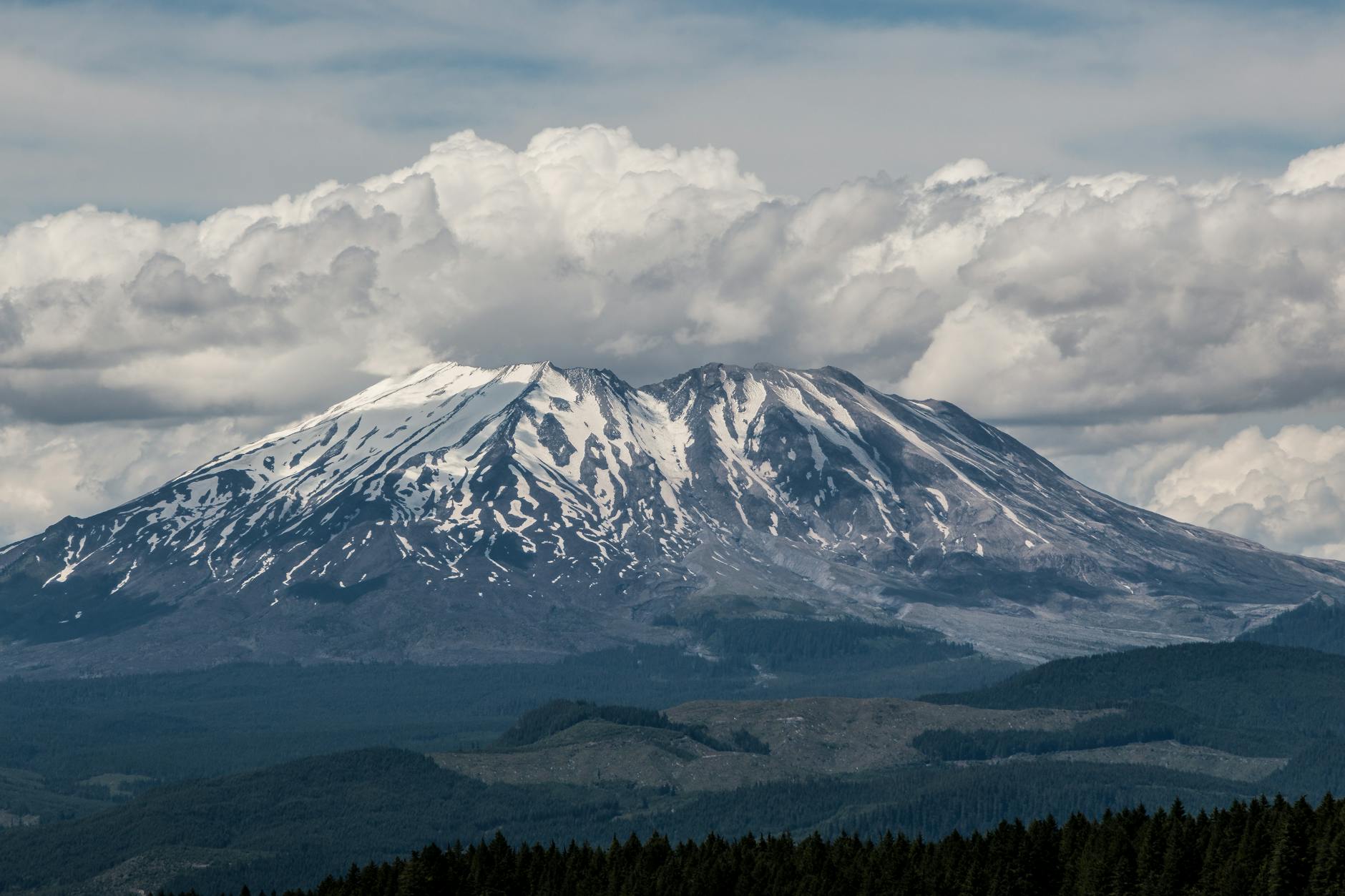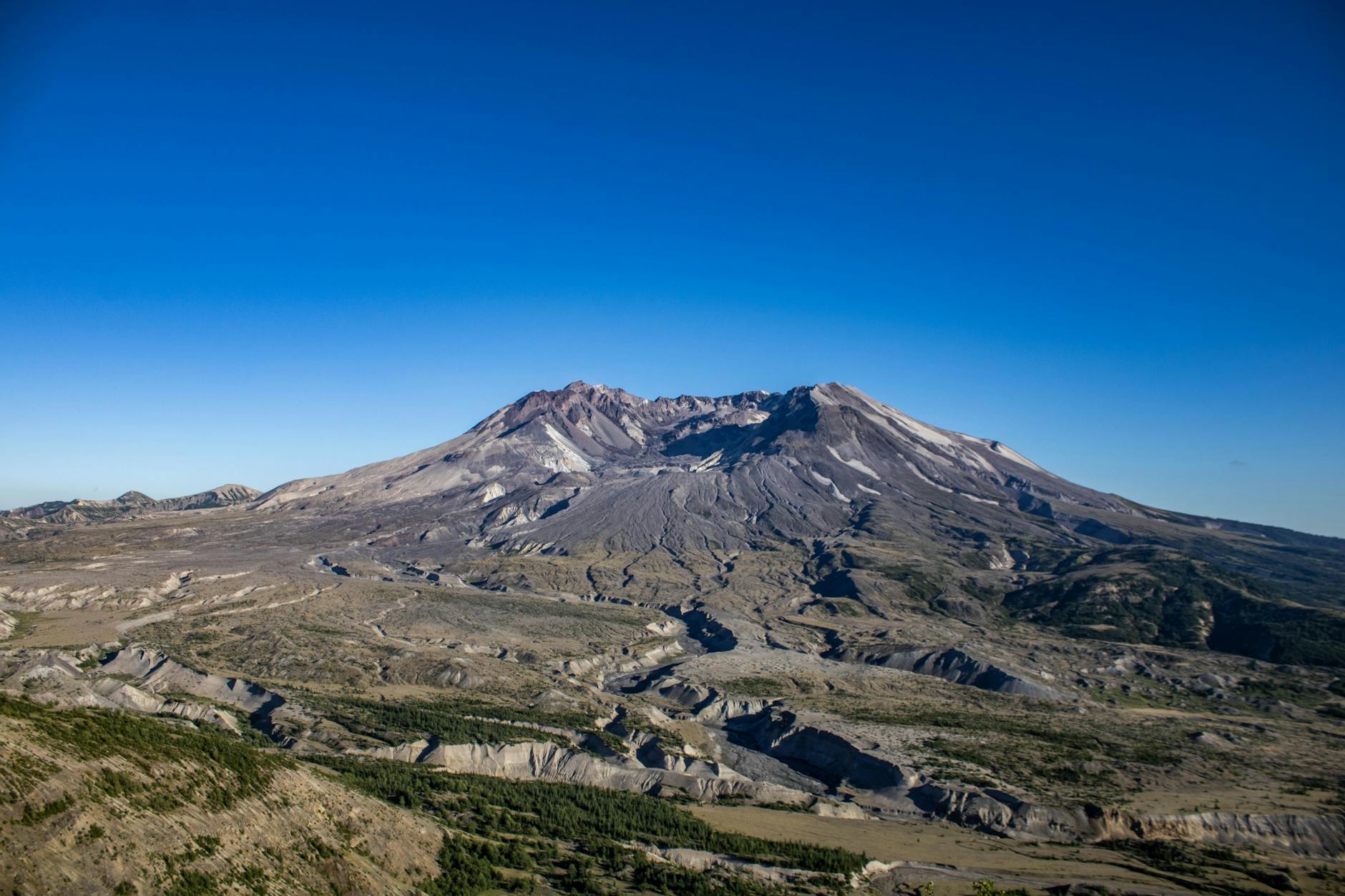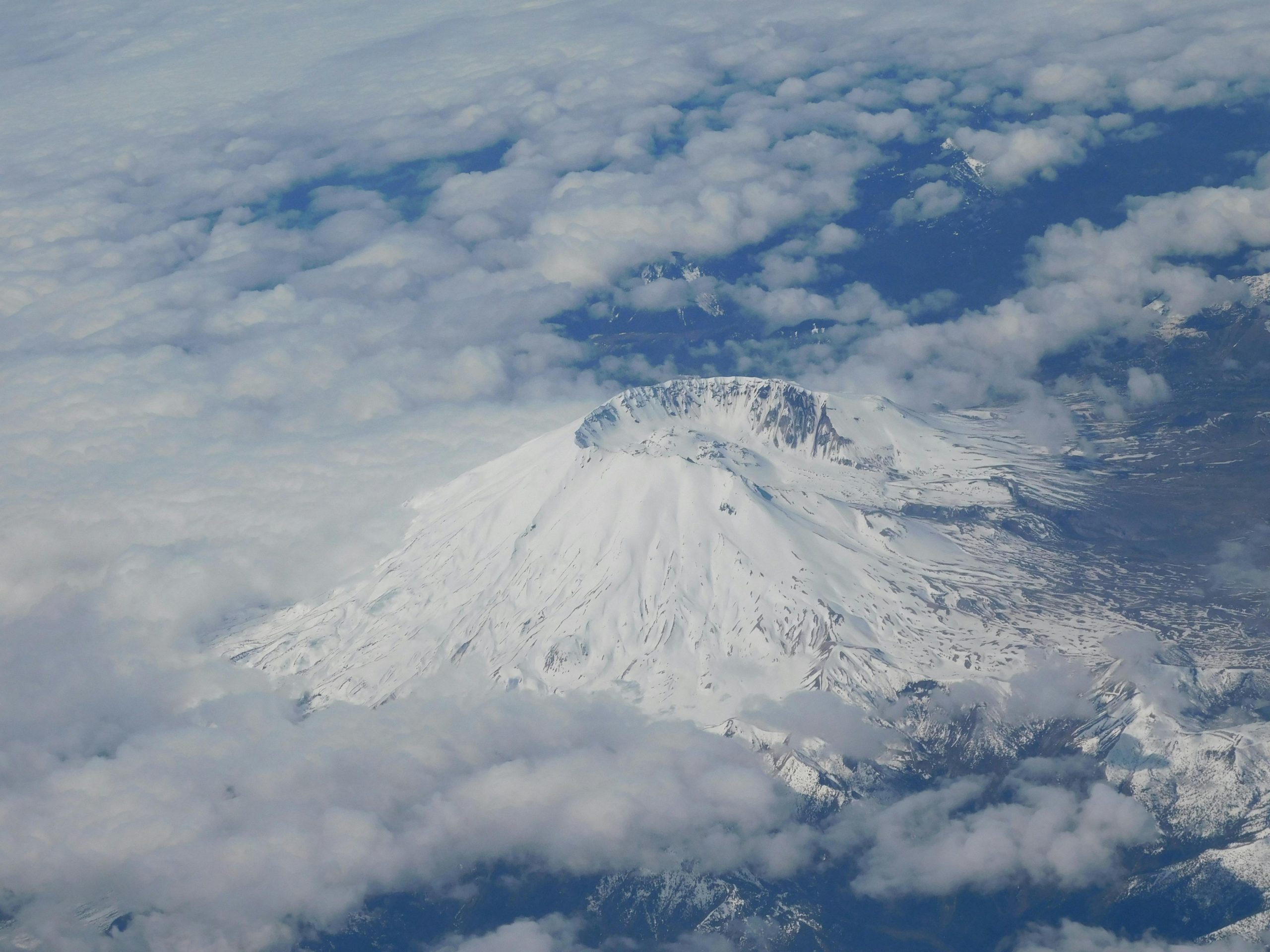
The Mt. St. Helens area is a haven for those seeking adventure beyond the ordinary tourist trails. While the iconic volcano itself draws attention, the surrounding region is teeming with lesser-known activities and breathtaking spots that reward those willing to explore. Here’s a guide to some of the unique outdoor experiences you should not miss.
Explore the Gifford Pinchot National Forest
Just a short drive from the Cozy River Cabin Retreat, this forest offers a wealth of trails and hidden wonders. The rugged terrain provides ample opportunities for hiking, mountain biking, and wildlife watching.
- Goat Marsh Lake: An off-the-beaten-path destination perfect for birdwatching and serene reflection.
- June Lake Trail: A moderate hike that rewards with a stunning waterfall and alpine views.
- Wright Meadow: Lesser known but offers vibrant wildflowers and panoramic vistas.
Paddle the Kalama River
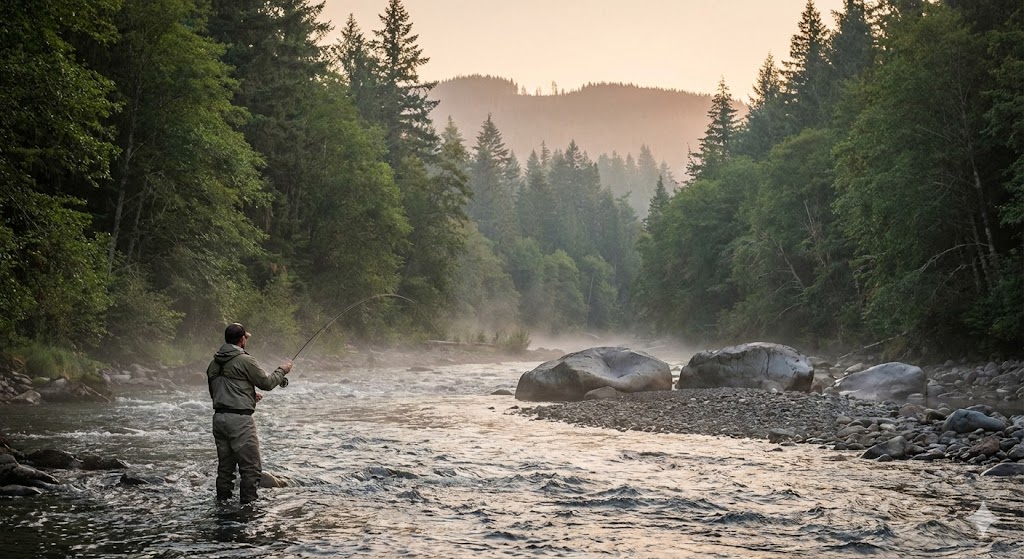
For those who enjoy water-based adventures, the Kalama River is ideal for kayaking or canoeing. Its clear waters and gentle flow make it suitable for paddlers of all levels. The river is also a prime spot for fishing, with opportunities to catch steelhead and salmon.
Discover the Lava Canyon Trail
A must for thrill-seekers, the Lava Canyon Trail offers a close-up view of the volcanic landscape. This trail features suspension bridges and waterfalls, providing both excitement and stunning scenery. Remember to wear sturdy shoes, as parts of this trail can be challenging.
Visit the Ape Cave Lava Tube
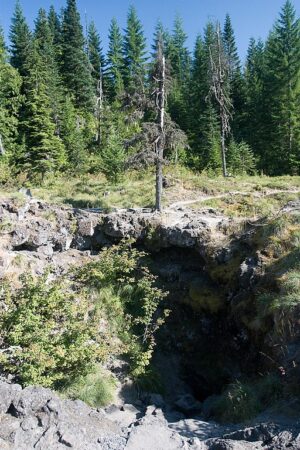
The Ape Cave, one of the longest lava tubes in North America, is a fascinating underground adventure. Bring a flashlight or headlamp to explore its cool, dark passages. Consider reading our Ape Cave Hiking Guide for tips on navigating this unique attraction.
Scenic Drives for the Perfect View
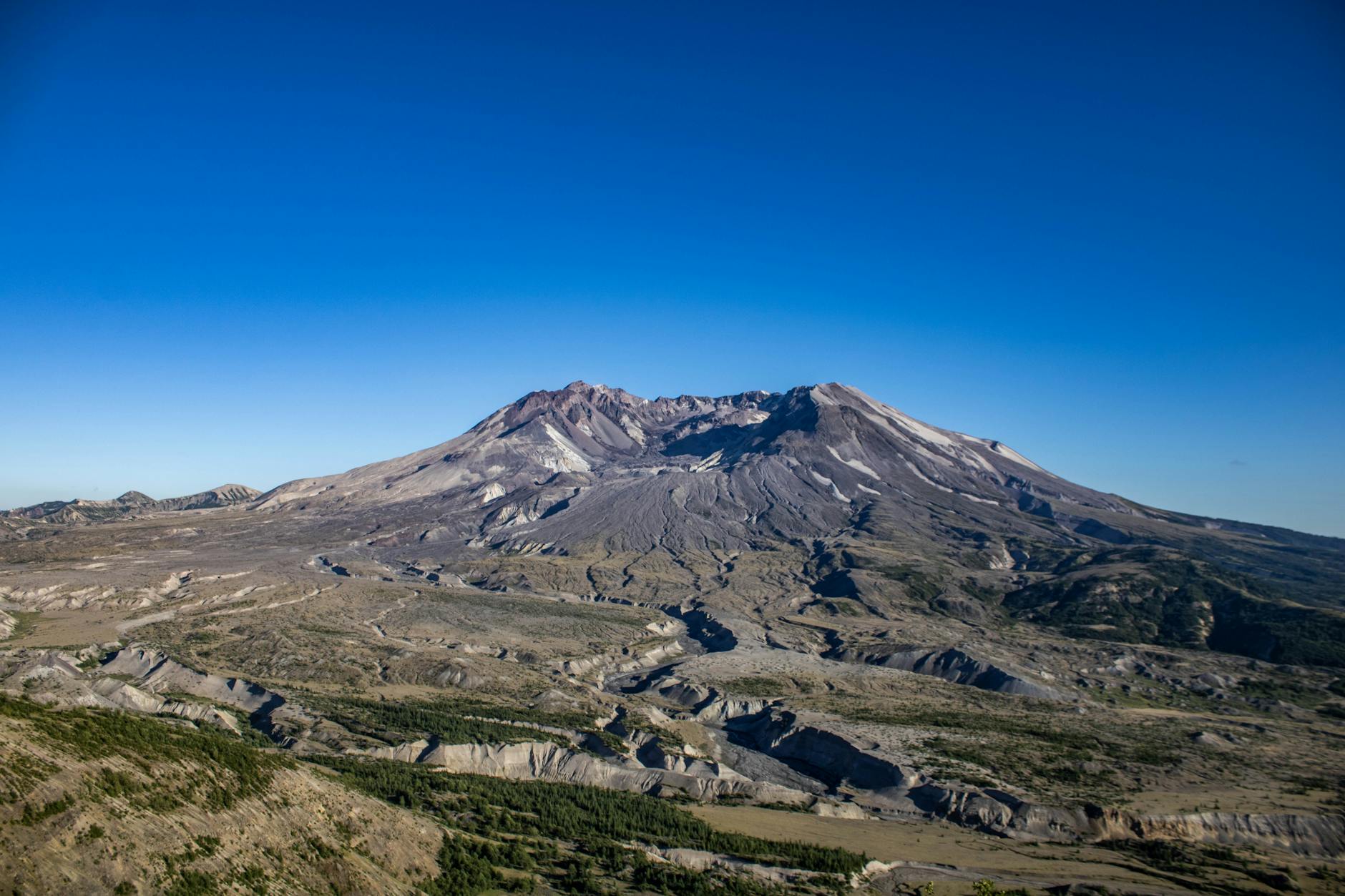
If you prefer to take in the sights from the comfort of your car, several scenic drives offer breathtaking views of Mount St. Helens and the surrounding landscape. These routes provide ample opportunities for photo stops and quiet moments of reflection.
- Scenic Nature Drives near Mt. St. Helens
Experience the Spirit Lake Memorial Highway
This drive offers dramatic views and a poignant reminder of the 1980 eruption’s impact. While the Johnston Ridge Observatory remains temporarily closed, the highway itself provides access to various viewpoints and trails that showcase the area’s recovery and resilience.
<!–

–>
Relax and Recharge
After a day of exploration, return to the Cozy River Cabin Retreat to unwind. Let the soothing sounds of the Toutle River and the comfort of the cabin’s amenities rejuvenate you for another day of adventure.
For more information on planning your visit, explore our guide to the best things to do near Mt. St. Helens. Have questions or ready to book your stay? Get in touch with us today.