Birding along the Toutle River is not a passive activity. It requires timing and specific local knowledge. While high-elevation trails near the volcano get the most press, the river valley offers more consistent wildlife sightings throughout the year. For those planning a trip in 2026 or 2027, the river corridor remains one of the most reliable spots in Washington State to observe raptors and migratory species in their natural habitat.
The geography of the Toutle River has created a unique environment for birds of prey. The river is wide, shallow in many spots, and filled with the woody debris that attracts fish. This attracts the birds. You do not need to hike miles into the backcountry to see world-class avian activity. Most of the action happens right along the banks, often visible from the porch of a well-placed rental or a quiet riverside turnout.
Related Guides (Most Common Issues)
- Wildlife & Nature Near Mt. St. Helens This part of southwest Washington does not advertise itself loudly, and that is exactly why…
Watching Resident Bald Eagles
Bald eagles are the year-round kings of the Toutle River. Unlike migratory populations that only visit for the winter, many pairs are permanent residents here. They have established large, messy nests in the tall cottonwoods and evergreens that line the valley. These birds are territorial. If you find a nest site, you can expect to see the same pair year after year.
During the 2026 winter months, eagle activity peaks as northern birds move south to join the locals. They congregate near the river to hunt for salmon and trout. Look for them on the grey snags left over from previous geological shifts. These bare trees provide perfect vantage points. A pair of 8×42 binoculars is usually enough to get a clear view, as the birds often perch surprisingly close to the water.
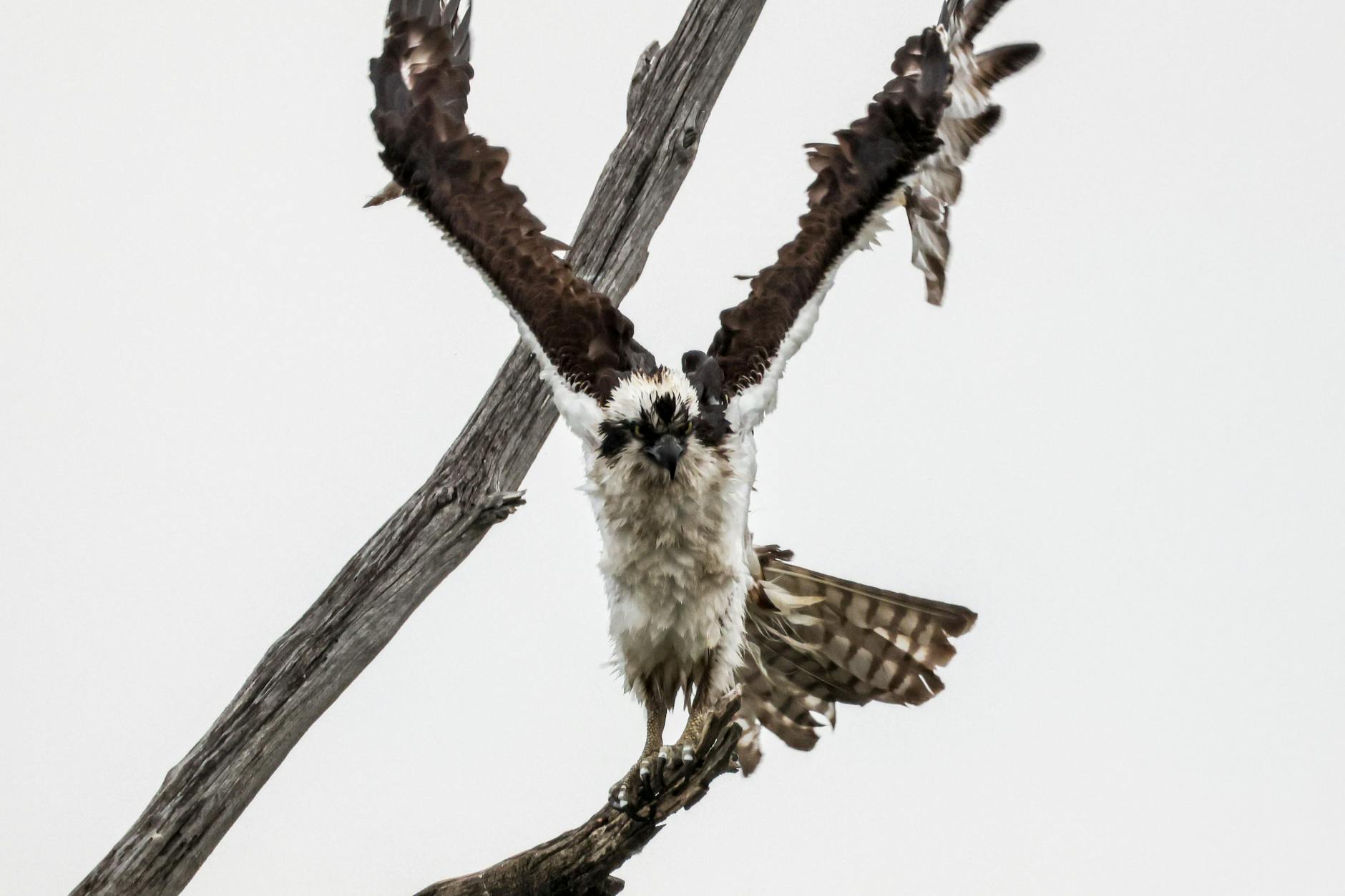
Osprey: The Summer Hunters
If you visit between April and September, the osprey take center stage. These “fish hawks” are seasonal visitors that migrate from South and Central America. They are loud, active, and fascinating to watch. While eagles are scavengers as much as they are hunters, osprey are specialists. They dive feet-first into the river, sometimes disappearing completely under the surface before emerging with a fish.
The stretch of the Toutle River near the Spirit Lake Memorial Highway is a prime hunting ground. The birds prefer the shallower sections where the river braids over gravel bars. Because they are vocal, you will often hear their high-pitched whistling before you see them. They frequently nest on man-made structures or the tops of broken snags, making them easy to photograph from a distance.
Seasonal Migrants and Songbirds
The Toutle River valley is a busy corridor for the Pacific Flyway. Beyond the raptors, the seasonal shift in bird populations is dramatic. In the spring, the brush along the river fills with warblers, flycatchers, and swallows. The American Dipper is a year-round resident you should look for. These small, grey birds actually “walk” underwater in the faster currents of the river to find aquatic insects.
- Great Blue Herons: Often found standing motionless in the eddies.
- Belted Kingfishers: Look for their erratic flight and rattling call.
- Common Mergansers: These ducks are frequent sights floating down the swifter channels.
- Western Tanagers: Their bright colors appear in the forest canopy during late spring.
The Audubon Bird Guide is an excellent resource for identifying the specific subspecies found in the Pacific Northwest. Knowing the difference between a juvenile eagle and a mature hawk can change your entire viewing experience.
Planning Your 2026 Birding Trip
Timing is everything. Morning is the best time for raptor activity. The birds are most active when the thermal currents begin to rise, allowing them to soar with minimal effort. If you are staying at a riverfront property, the first two hours after sunrise provide the best lighting and the highest chance of seeing a kill.
Respect the wildlife. Use long lenses and binoculars rather than trying to get close. Nesting birds are particularly sensitive to human presence. Staying on established paths or viewing from a deck keeps the birds comfortable and ensures they return to the same spots every season. For more information on navigating the area, see our Mount St. Helens visitor guide.
The Toutle River is a living system. It changes with the weather and the seasons. Whether you are a serious lister or someone who just enjoys the sight of an eagle soaring over the water, this region offers a level of access that is hard to find elsewhere. The mix of volcanic history and recovering forest has created a sanctuary that is only getting better with time.
If you are ready to experience the quiet side of the Mount St. Helens area, we can help you get started. Get in touch to learn more about the best times to visit for specific bird sightings or to book your stay.