Toutle River Fishing Guide: Steelhead, Salmon & Local Access

Fishing the Toutle River is about more than just what lands in your net; it is about witnessing one of nature’s greatest comeback stories. Devastated by the 1980 eruption of Mt. St. Helens, the Toutle has spent decades recovering. Today, it offers a rugged, rewarding experience for anglers chasing steelhead and salmon in the shadow of the volcano. Whether you are walking the bank behind the cabin or exploring the upper forks, here is how to fish the Toutle like a local.

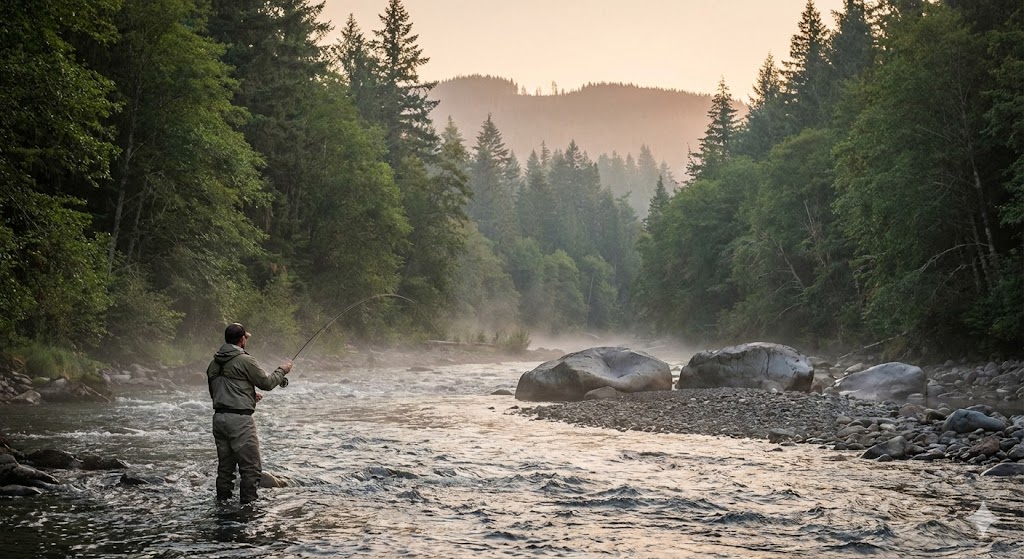
Angler casting into the misty Toutle River near Mt St Helens

Two Forks, Two Experiences

The Toutle is unique because its two forks offer completely different challenges. As a guest, you have the advantage of waking up right next to the North Fork, but knowing when to drive to the South Fork is the key to a successful trip.

The North Fork: Your Home Water

The river flowing past the cabin comes directly from the Mount St. Helens crater. It is wild, dynamic, and famous for its “glacial flour” – fine sediment that gives the water a unique milky gray or green color. Because it is fed by snowmelt, it can change character quickly.

Why fish it? Convenience and trophy potential. There is nothing like grabbing your rod and walking down to the bank with your morning coffee. When the water level drops and the color shifts from “milky” to “steelhead green,” the North Fork is world-class. It is often managed for wild steelhead, offering the chance to connect with truly powerful, native fish.

The South Fork: The Reliable Backup

If you wake up and find the North Fork is too high or muddy from recent rain, don’t worry—your day isn’t over. The South Fork was spared the worst of the eruption and generally runs clearer and more consistent.

Strategy: Check the river behind the cabin first. If visibility is low (less than a foot), hop in the car and drive 15 minutes to Harry Gardner Park on the South Fork. It acts as the perfect “Plan B” to ensure you always have fishable water.

What to Catch & When

The Toutle is primarily a steelhead and coho river. Timing is everything.

  • Winter Steelhead (Dec – March): The main event. These fish are aggressive and strong. Drift fishing with corkies and yarn or float fishing with jigs are the go-to techniques.
  • Summer Steelhead (June – August): A smaller but fun run. These fish are active in the early mornings and late evenings—perfect for guests staying at the cabin who want to cast a few times before breakfast.
  • Coho Salmon (Late Sept – Nov): The “Silvers” arrive with the fall rains. Twitching jigs in calm pockets or casting spinners can be deadly effective.
  • Cutthroat Trout: Plentiful in the summer, especially in the tributaries. Great fun on light tackle or fly rods.

Essential Rules & Conditions

Washington regulations change frequently to protect wild stocks. Before you cast, you need to know two things: the rules and the water clarity.

Check the “Emergency Rules” First
The Toutle often has special restrictions, such as barbless hooks only or selective gear rules (no bait). Always check the official WDFW app or website for the specific section you are fishing.

Pro Tip: Check the river gauge before you drive. If the North Fork Toutle gauge is spiking, the main river below the forks might be too muddy (“blown out”). In that case, head up to the South Fork or try Silver Lake.

View WDFW Fishing Regulations

Access Points

From the Cabin

Guests at the River Cabin have private frontage on the mainstem Toutle. It is perfect for plunking (stationary fishing) or casting spinners for moving fish. There is nothing quite like catching dinner within sight of your back deck.

Harry Gardner Park

Located on the South Fork (about 15 mins from the cabin), this park offers easy bank access and a good boat launch for drift boats. It is a very popular spot during the winter steelhead run.

Nearby Lake Fishing Alternatives

If the river is too high or you want a more relaxed day on the water with the kids, you have two excellent stillwater options just a short drive away.

Silver Lake (Family & Bass)

Distance: 15 minutes from the cabin
Best For: Kids, warm water species, and relaxed boating.

Silver Lake is one of the best Largemouth Bass fisheries in Washington. It is shallow, weedy, and full of structure—perfect for casting topwater lures on a summer evening. For kids, a simple worm under a bobber off the docks at the Seaquest State Park boat launch will almost guaranteed produce Yellow Perch, Bluegill, or Crappie.

Coldwater Lake (Trophy Trout & Scenery)

Distance: 45 minutes (up Hwy 504)
Best For: Kayakers and serious trout anglers.

Formed by the 1980 eruption, this lake is filled with big, wild Rainbow and Cutthroat Trout. It is strictly managed (often catch-and-release or limited harvest, no bait allowed), which keeps the fish aggressive and large. Note that no gas motors are allowed—it is electric or paddle only, making it incredibly peaceful.

Plan Your Fishing Trip

The best fishing trips end with a hot meal and a warm fire. Our cabin is set up for anglers, with plenty of room for gear and immediate access to the water.

Need more ideas for the non-anglers in your group? Check our main guide: Things to Do Near Mt. St. Helens.

Ape Cave Hiking Guide: Upper vs. Lower Tubes & Tips

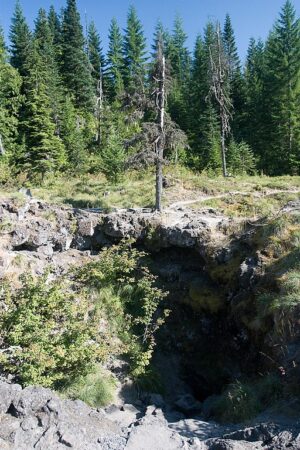
Exploring the dark lava tube of Ape Cave near Mt St Helens

Walking into the mouth of Ape Cave feels like stepping onto another planet. Formed about 2,000 years ago, this lava tube is the third longest in North America, and it offers one of the most unique hiking experiences in the Pacific Northwest. It is dark, cool, and surprisingly accessible—if you come prepared. Whether you are looking for an easy family walk underground or a rugged subterranean scramble, this guide covers how to explore Ape Cave safely and comfortably.

Know Before You Go: The Essentials

Ape Cave is not a commercial show cave with colored lights and paved paths; it is a wild lava tube. The environment inside is rough, pitch black, and consistent. A little preparation makes the difference between a cold, short trip and an amazing adventure.

Reservations and Passes

Timed Reservations Required (Seasonal)
From late May through October, you typically must have a timed reservation ticket (purchased via Recreation.gov) to park at Ape Cave. These often sell out on weekends. If you are visiting in the off-season (winter/early spring), no reservation is usually needed, but always check current status before driving up.

Temperature & Gear

The cave stays at a constant 42°F (5°C) year-round. Even if it is 80°F outside, you will be able to see your breath inside. Bring a warm layer (fleece or light puffy jacket) and sturdy, closed-toe shoes. The floor is uneven lava rock, so flip-flops or smooth-soled sneakers can be dangerous.

Light Sources

It is absolute darkness inside. Do not rely on your phone flashlight. The battery will drain quickly in the cold, and the light isn’t strong enough to see the footing clearly. We recommend a headlamp for every person (hands-free is best for balance) plus at least one backup flashlight for the group.

Choosing Your Route: Upper vs. Lower Cave

The main entrance splits into two distinct experiences. You can do one or both depending on your energy levels and group capability.

The Lower Cave (Family Friendly)

Distance: 0.75 miles (out and back)
Difficulty: Easy to Moderate

The Lower Cave is the most popular choice. It is wider, has a flatter floor (though still rocky), and is generally easier to navigate. It takes about an hour to walk down to the “Meatball” (a large block of wedged lava) and back. This is the right choice for families with younger children or anyone who wants the experience without the scrambling.

The Upper Cave (Adventurous)

Distance: 1.5 miles (one way, returns via surface trail)
Difficulty: Strenuous / Scramble

The Upper Cave is a different beast. It requires climbing over large rock piles (breakdown) and scaling an 8-foot lava fall. It is physically demanding and feels much wilder. If you choose this route, you will exit about 1.5 miles uphill and hike back through the forest to the parking lot.

Pair It With: Trail of Two Forests

Just a minute down the road from Ape Cave is the Trail of Two Forests, and it makes for a perfect cool-down or warm-up. It is a short boardwalk loop that winds through a mossy forest filled with “lava casts”—hollow molds left behind where lava hardened around ancient trees.

There is also a “crawl-through” lava cast that kids absolutely love. It is a quick, easy, and fascinating stop that explains the geology you just walked through inside the cave.

For current conditions and access details, check the official page before you go:
Gifford Pinchot National Forest: Ape Cave

Wildlife and Forest Ecology

While the cave itself has very little life (aside from occasional bats or salamanders), the forest surrounding the entrance is lush and active. The transition from the sterile, dark underground to the vibrant green forest is striking.

Please note that white-nose syndrome is a concern for bats in the region. If you have visited other caves recently, ensure your gear has been cleaned according to Forest Service guidelines to protect the local bat population.

Build a Simple Ape Cave Day Plan

  • The Classic: Lower Cave walk (1 hour) + Trail of Two Forests (30 mins) + Picnic at the trailhead
  • The Workout: Upper Cave scramble (2.5 hours) + Cool down walk at June Lake
  • The Full Day: Ape Cave in the morning + Lava Canyon suspension bridge in the afternoon

If you want to keep planning, our main hub page is here: Things to Do Near Mt. St. Helens.

What Are the Best Family-Friendly Activities Near Mt. St. Helens?

What Are the Best Family-Friendly Activities Near Mt. St. Helens?

Finding genuinely family-friendly activities near a major natural landmark like Mt. St. Helens can feel like a guessing game. Many places claim to be suitable for all ages, but often disappoint with limited engagement for kids or options that are too strenuous for younger children. The good news is that the Mt. St. Helens area—just a short drive from our Castle Rock cabin—can be an outdoor classroom and an adventure zone in the same day.

Visitor Centers: A Smart First Stop

Visitor centers are more than information desks. They help kids understand what they are looking at, they usually have the best interpretive exhibits, and they are where you will hear the latest updates on road access, closures, and conditions.

Johnston Ridge Observatory

Temporary Closure Notice
Johnston Ridge Observatory is currently closed until further notice due to a landslide affecting access roads. The viewpoint itself is not accessible right now.

When it is open, Johnston Ridge is the iconic stop. It sits very close to the crater and gives the most dramatic, up-close perspective of the blast zone. Families love it because the main experience is big views, great exhibits, and short, easy walks that work well for younger kids.

Best alternative while Johnston Ridge is closed
If you want a high-reward volcano day without Johnston Ridge, plan around the Mount St. Helens Visitor Center at Silver Lake for exhibits and orientation, then pair it with Hummocks Trail for a short, kid-friendly walk through the post-eruption landscape. It still feels like a real Mt. St. Helens experience, and it is an easy day from the cabin.

Forest Learning Center

Operated by Weyerhaeuser, this center focuses on forest recovery and reforestation after the 1980 eruption. It is a great stop for kids because the exhibits are approachable and it connects the eruption story to what families can see in the landscape today.

Mount St. Helens Visitor Center near Silver Lake

This is the easiest visitor center to reach from I-5, which makes it a smart first stop. It gives a broad overview of the eruption, the geology, and the surrounding region. It is especially good for families with very young kids or anyone who wants a strong “big picture” before choosing a longer drive.

Easy Hikes and Nature Walks for All Ages

You do not need a big hike to have a memorable day here. Look for short loops, interpretive trails, and viewpoints where kids can move their bodies without everyone committing to a long climb.

Hummocks Trail

This is one of the best “payoff for effort” trails in the area. It is a loop with big views and a landscape that feels different from typical Northwest forest trails. It is also a solid choice for spotting wildlife, especially early or later in the day.
Hummocks Trail on WTA

For a broader list of options, see our full guide to things to do near Mt. St. Helens.

Subterranean Adventures: Ape Cave Lava Tube

Ape Cave is a must-do for adventurous families, but it rewards preparation. This lava tube is one of the most memorable experiences near Mt. St. Helens, especially on a hot summer day when the cave feels like natural air conditioning.

There are two common options: the lower cave, which is easier and flatter, and the upper cave, which is longer and involves more scrambling. Headlamps are strongly recommended, sturdy shoes matter, and the cave stays cold, so bring a layer even if the day is warm.

Before you pack the car, read our detailed Family Guide to Ape Cave for tips on gear, safety, and which route is best for your kids. (For official daily status updates, you can also check the Forest Service page.)

Wildlife Watching and Nature Discovery

The Mt. St. Helens area is a recovering ecosystem, and kids tend to love that it feels alive and changing. Elk, deer, and plenty of birdlife are common. If you bring binoculars, wildlife watching turns into a quiet scavenger hunt.

The best windows are usually early morning and early evening, especially near the Toutle River. Look for open clearings and meadow edges. For more local tips on where to look, see our guide to wildlife and nature near Mt. St. Helens.

Build a Simple Family Day Plan

  • Short day: Visitor Center at Silver Lake + Hummocks Trail + back to the cabin for the hot tub
  • Adventure day: Ape Cave + Trail of Two Forests + a slow drive with scenic pullouts
  • Rainy day energy: Visitor center exhibits + short walk + early dinner in Castle Rock

If you want to keep planning, our main hub page is here: Things to Do Near Mt. St. Helens.

Seasonal Activities Near Mount St. Helens: What To Do Year-Round

Seasonal Activities Near Mount St. Helens: What To Do Year-Round

Many visitors pigeonhole Mount St. Helens as a summer-only trip. That’s a mistake. While the peak season offers undeniable benefits, dismissing the other nine months means you’re missing out on some of the most unique and rewarding experiences the area provides. The truth is, Mount St. Helens offers distinct, compelling activities every single season, catering to different interests and energy levels. Understanding these seasonal shifts isn’t just about avoiding disappointment; it’s about optimizing your visit for exactly what you want to see and do.

Spring: Witnessing Rebirth and Thaw

Spring near Mount St. Helens is a season of dramatic transformation. Snow begins its retreat, revealing a vibrant, awakening ecosystem. This is prime time for viewing wildflowers, especially in late April and May, painting the recovering blast zone with unexpected splashes of color. Trails at lower elevations, like those around the Ape Cave or along the Lewis River, become accessible earlier, often by March or April.

Planning a trip to Mount St. Helens in spring? Be prepared for variable conditions. While the crowds are lighter than in summer, you’ll encounter mud, lingering snow patches at higher elevations, and unpredictable weather. Dress in layers. Your best bet for early spring is focusing on forest hikes or scenic drives like the Spirit Lake Memorial Highway (SR 504) as it opens up. For more ideas on experiencing the natural beauty, check out our guide to wildlife and nature near Mount St. Helens.

Summer: Peak Views and Popular Trails

Summer, from June through early September, is undoubtedly the most popular time to visit. The advantages are clear: all roads and visitor centers are typically open, and the weather is generally warm and sunny. This is when you can access the most iconic trails, including those leading to viewpoints like Johnston Ridge Observatory, or even attempt a summit climb (which requires a permit booked well in advance).

The downside? Crowds. Expect full parking lots and busy trails, especially on weekends. To mitigate this, arrive early in the morning, or consider visiting on weekdays. Popular hikes like the Hummocks Trail or the Boundary Trail offer unparalleled views of the crater and lava dome. If you’re looking for comprehensive options, our main page on things to do near Mount St. Helens is an excellent resource for planning your summer adventure.

Fall: Colors, Crisp Air, and Fewer People

Fall, typically late September through October, is arguably the most underrated season for a Mount St. Helens visit. The summer crowds dissipate, but the weather often remains pleasant, offering crisp air and clear skies. The changing foliage along the river valleys and lower slopes creates a stunning visual contrast with the stark, grey volcanic terrain.

This is an excellent time for photography and enjoying a quieter experience on trails that might have been packed just weeks before. Roads usually remain open, though some facilities might begin to reduce hours or close for the season by late October. Check the official U.S. Forest Service website for current road conditions and facility operating hours before you go. The cooler temperatures make longer hikes more comfortable, and the golden light of autumn adds a dramatic flair to the already impressive scenery.

Winter: Solitude and Snow Sports

Winter transforms Mount St. Helens into a serene, snow-covered expanse. While access is more limited due to road closures (SR 504 typically closes past the Science and Learning Center at Coldwater by November), this season offers a unique, tranquil beauty. For those equipped for it, snowshoeing and cross-country skiing are exceptional ways to experience the monument.

The snow-covered trails and quiet forests provide an unparalleled sense of solitude. Popular areas for winter recreation include the Marble Mountain Sno-Park, offering access to trails like the Worm Flows route for experienced mountaineers, or simpler routes for snowshoeing. Always check avalanche forecasts and weather conditions before venturing out. Visiting Mount St. Helens in winter requires careful planning and a respect for the elements, but the reward is a truly unforgettable, peaceful experience.

Making Your Year-Round Visit a Success

No matter the season, preparation is key. Always check current weather forecasts, road conditions, and visitor center operating hours before heading out. The Mount St. Helens National Volcanic Monument website (an excellent external resource: fs.usda.gov/mountsthelens) provides real-time updates that are absolutely essential for a safe and enjoyable trip. Each season brings its own character, its own challenges, and its own rewards. Don’t limit your perception of this magnificent area to just one time of year.

Ready to plan your escape to the Mount St. Helens area? Whether you’re seeking a summer adventure or a winter retreat, we can help you find the perfect base for your exploration. Get in touch to discuss your needs and discover available accommodations.

Wildlife Watching Near Castle Rock, Washington

Hidden Gems For Wildlife Watching Around Castle Rock

If you drive through Castle Rock and think there’s nothing here but a freeway exit and a gas station, congratulations, you’re doing it exactly like everyone else. And that’s why the wildlife still feels wild.

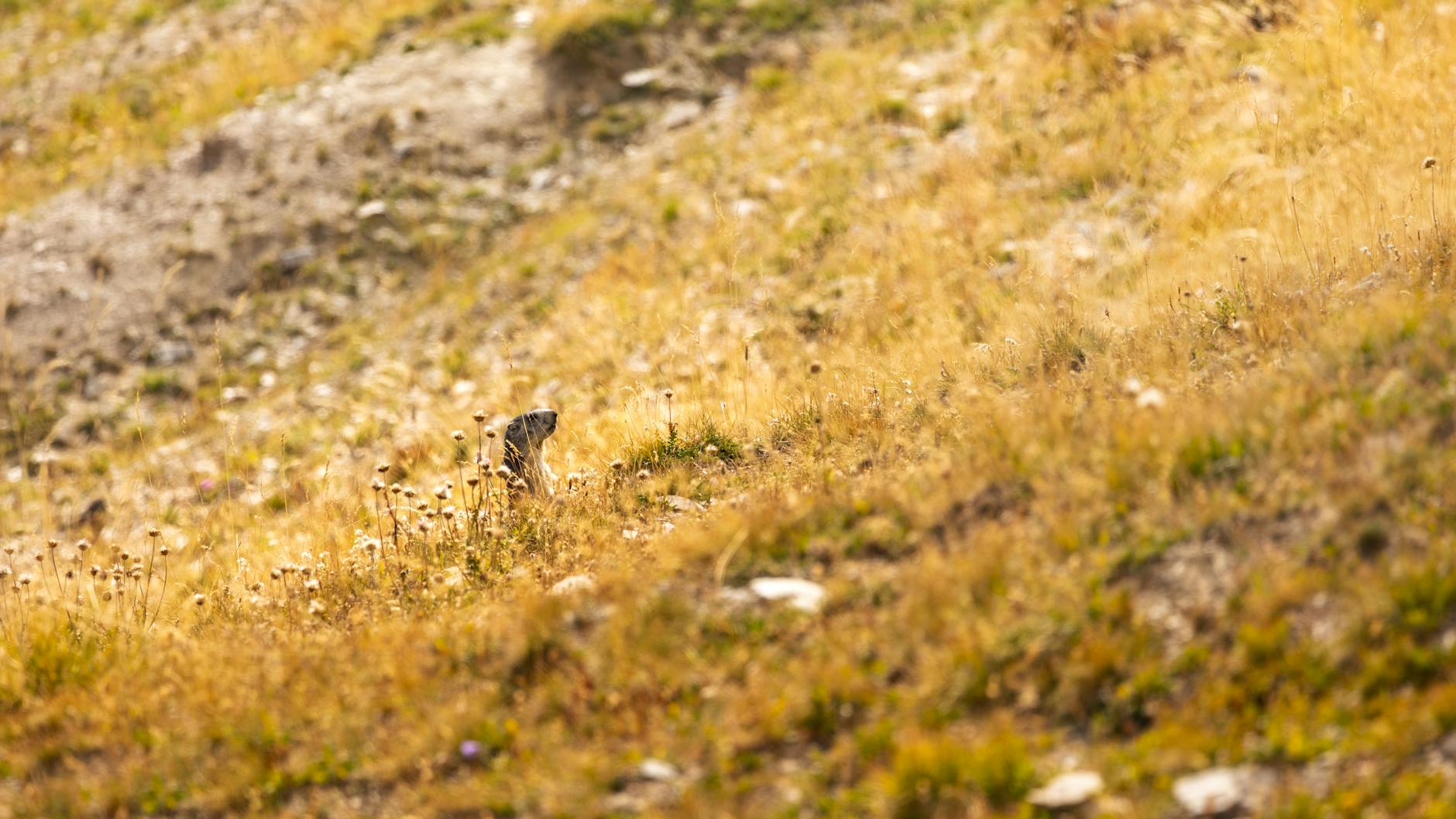
This stretch of southwest Washington sits in a sweet spot most people overlook. Rivers, forest, and the lower foothills of Mount St. Helens all collide here. Animals use it as a corridor. Humans mostly use it as a shortcut. That imbalance is why you can still see deer crossing at dawn, eagles working the river, and otters doing whatever it is otters do when they think nobody is watching.

If you want guaranteed sightings from a boardwalk with interpretive signs, this probably isn’t your scene. If you want real encounters that feel earned, read on.

Timing Matters More Than Location

The single biggest mistake visitors make is going out at noon and wondering where everything went. Wildlife around Castle Rock runs on a simple schedule. Early morning and late evening are when things happen. Midday is when animals hide from people, dogs, and lifted trucks.

If you are not willing to get up early, you should lower your expectations accordingly. Dawn is prime time. Mist on the river, minimal noise, and animals moving with purpose. Dusk is a close second. Midday is for coffee and pretending you meant to take a nap.

The Animals You’re Most Likely to See

Yes, elk exist here. They are not mascots. They move when they want, where they want, and usually when you are not looking. Deer are far more common and far less dramatic. They will appear, stare at you like you’re the weird one, and disappear without explanation.

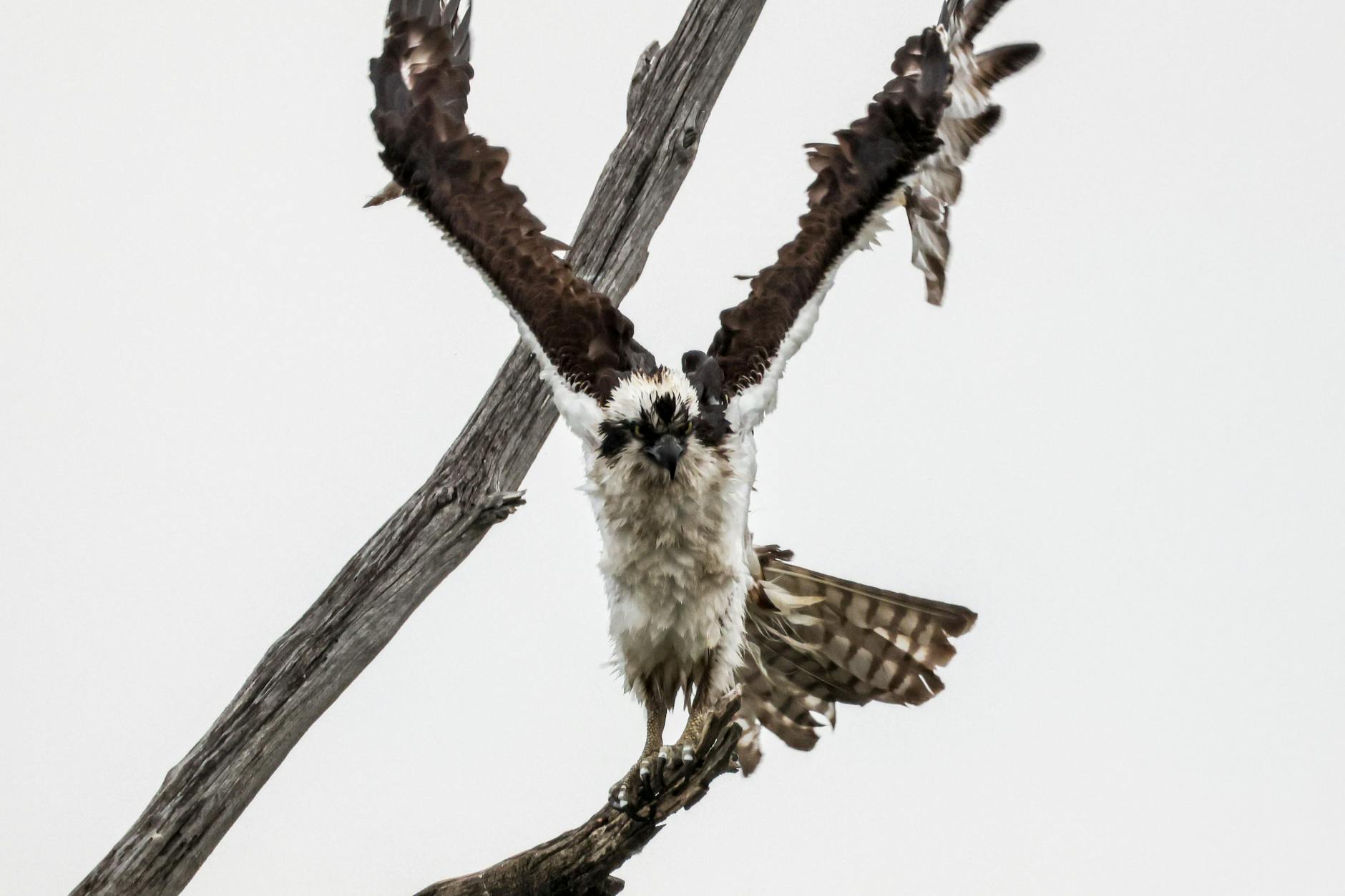
The real regulars are along the water. Bald eagles patrol the rivers year-round. Hawks work the clearings and tree lines. River otters show up when things are quiet and vanish the second someone starts talking too loudly. Beavers leave plenty of evidence even if you never catch them in the act.

Birdlife is constant if you slow down enough to notice it. Songbirds in the trees, waterfowl on calmer stretches, and the occasional heron standing perfectly still like it is judging your life choices.

Where to Look Without Ruining It

You will not find exact coordinates here, and that is intentional. The best wildlife watching spots stay good because they are not blasted all over the internet.

Instead, look for patterns.

  • Quiet bends along the Toutle River and nearby tributaries where the water slows down.
  • Old logging roads and lightly used forest tracks that create edges between trees and open space.
  • Low, marshy areas and seasonal ponds that attract birds and amphibians, especially in spring and fall.

If you can hear traffic, you are probably too close to it. If you can hear the river and birds instead, you are in the right general area.

What to Bring and What to Leave Behind

You do not need expensive camera gear unless photography is your entire reason for being there. A decent pair of binoculars will outperform a phone camera every time. Wear neutral colors. This is not a fashion show.

Leave the portable speaker at home. Wildlife does not appreciate your playlist. Neither do locals.

Most importantly, bring patience. If you are in a hurry, you will see nothing and blame the place instead of yourself.

Basic Etiquette That Should Be Obvious but Somehow Isn’t

If an animal changes its behavior because of you, you are too close. That includes stopping, staring, moving away, or looking annoyed. Do not follow. Do not feed. Do not try to get a better angle.

Stay on established paths where they exist. Respect private property. Pack out what you bring in. This area still works because most people behave reasonably. Do your part.

If you need formal guidelines, the Washington Department of Fish and Wildlife has solid advice, and they have been doing this longer than any influencer.

Best Seasons for Wildlife Watching

Spring brings migratory birds and increased activity along rivers and wetlands. Fall is hard to beat, cooler weather, fewer people, and animals moving more during daylight hours.

Winter is quieter but rewarding if you know what you are doing and dress for it. Summer can be hit or miss depending on heat and crowds, but early mornings still deliver.

Why Staying Nearby Actually Matters

The best wildlife moments happen early and late, which is inconvenient if you are commuting from far away. Staying close means you can step outside with a cup of coffee and catch the river waking up, or watch the evening settle in without checking the clock.

If that sounds appealing, you can learn more about staying near the river and the foothills at rivercabin.us. It is a good base if quiet mornings, wildlife, and not being rushed are part of the plan.

Final Thought

Castle Rock does not advertise itself as a wildlife destination, and that is exactly why it works. If you come here expecting spectacle on demand, you will be disappointed. If you come prepared to slow down and pay attention, you will see far more than you expected.

How to Visit Mt. St. Helens During the Johnston Ridge Closure

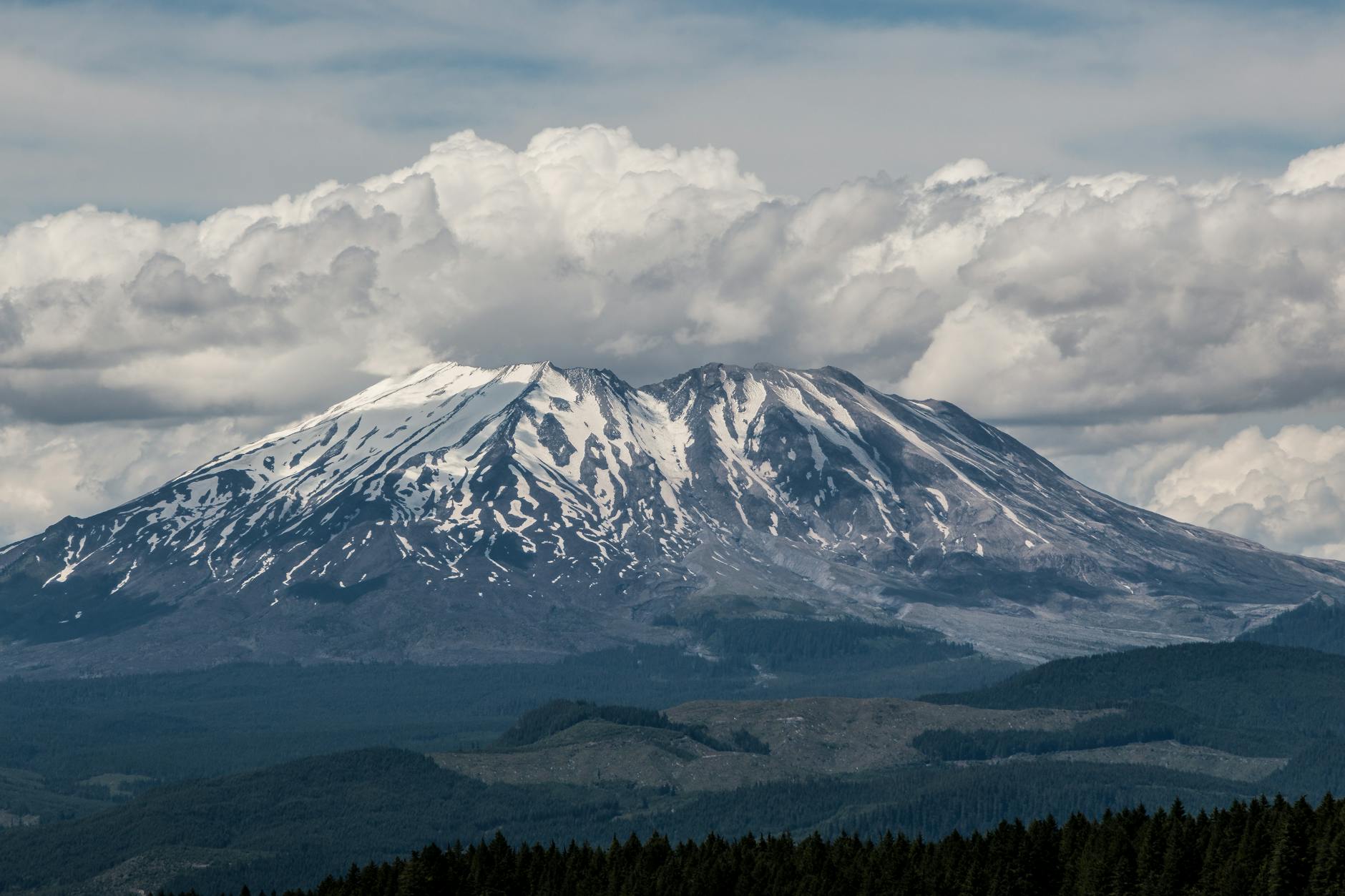
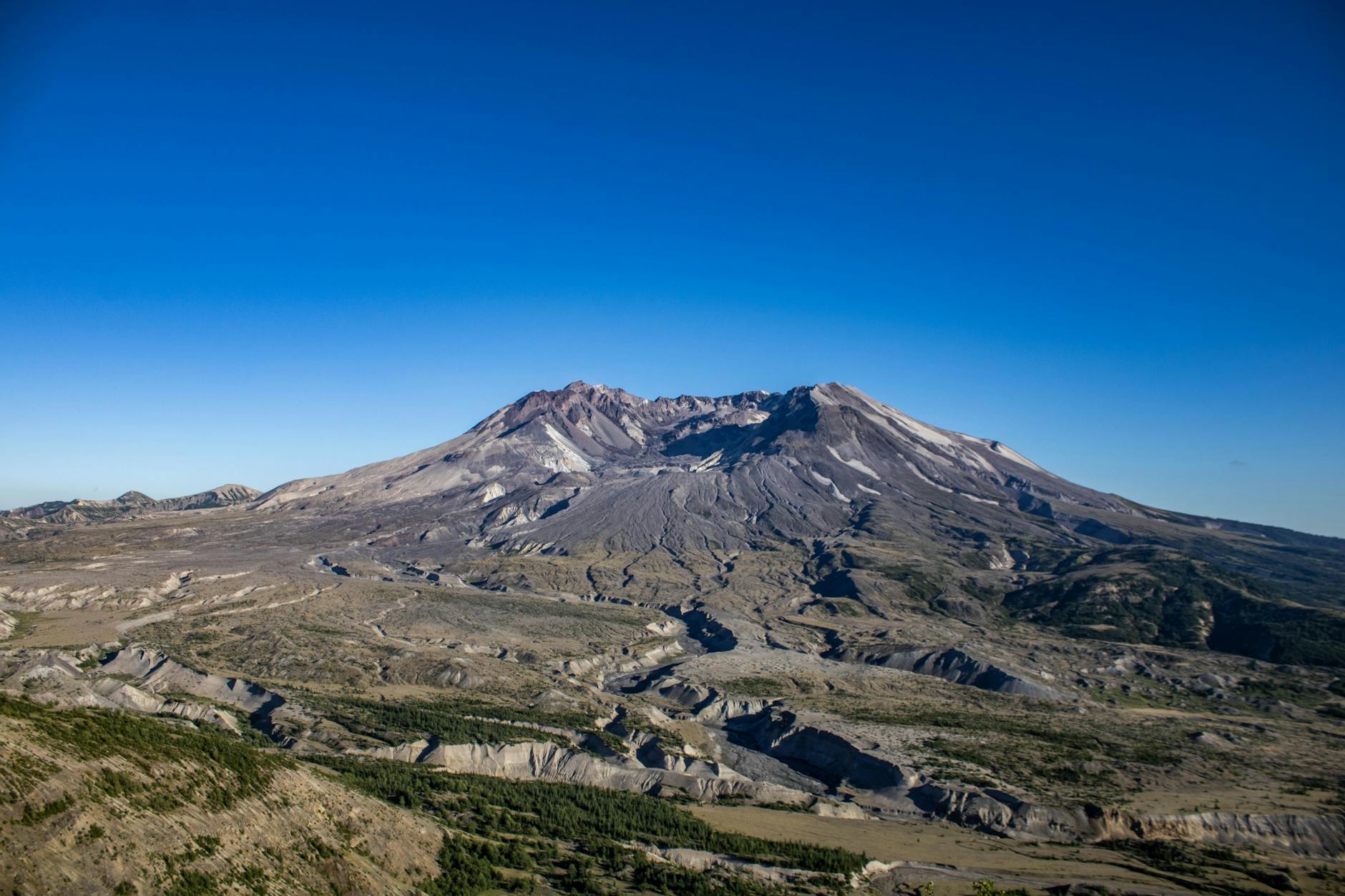
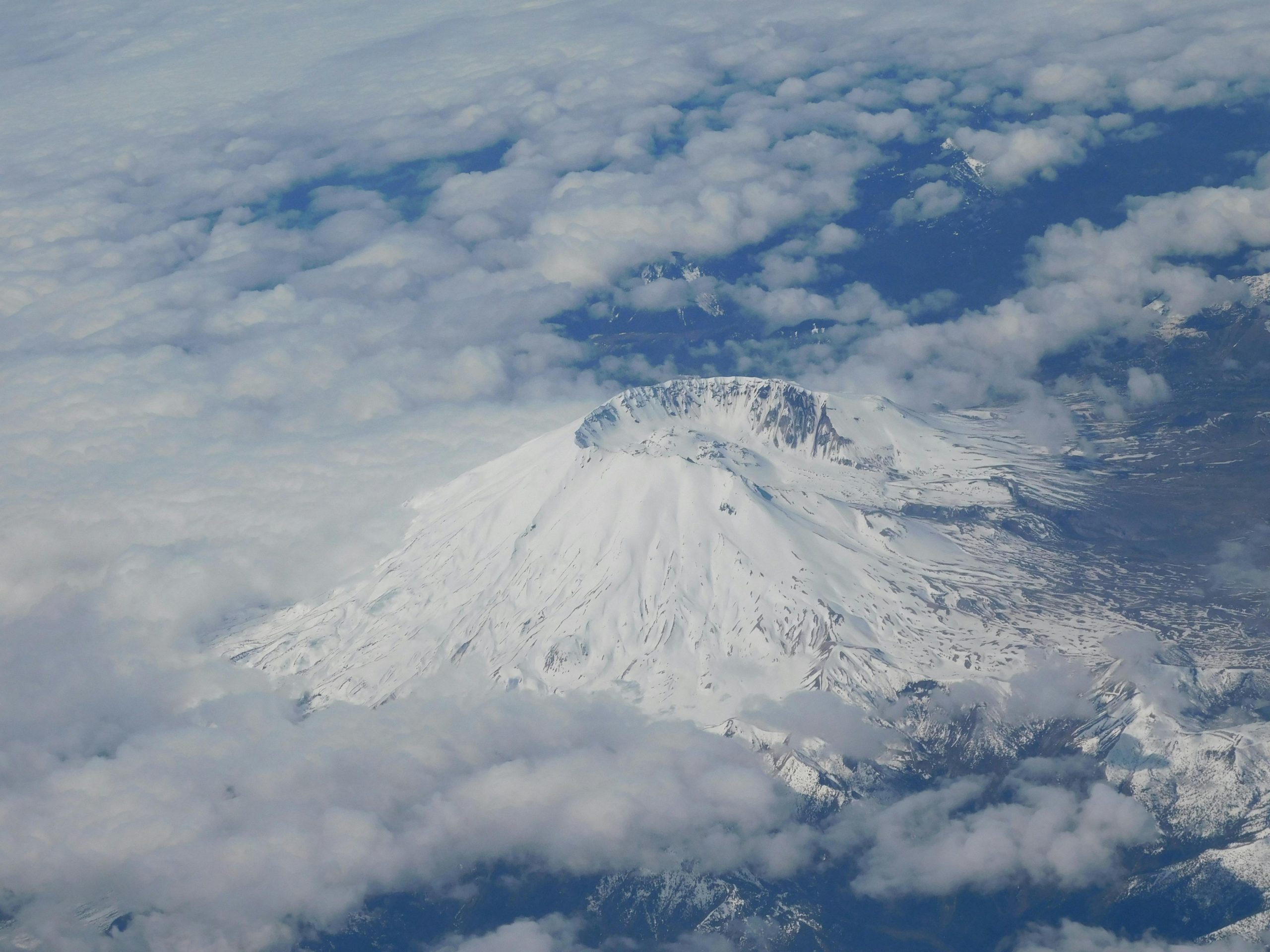
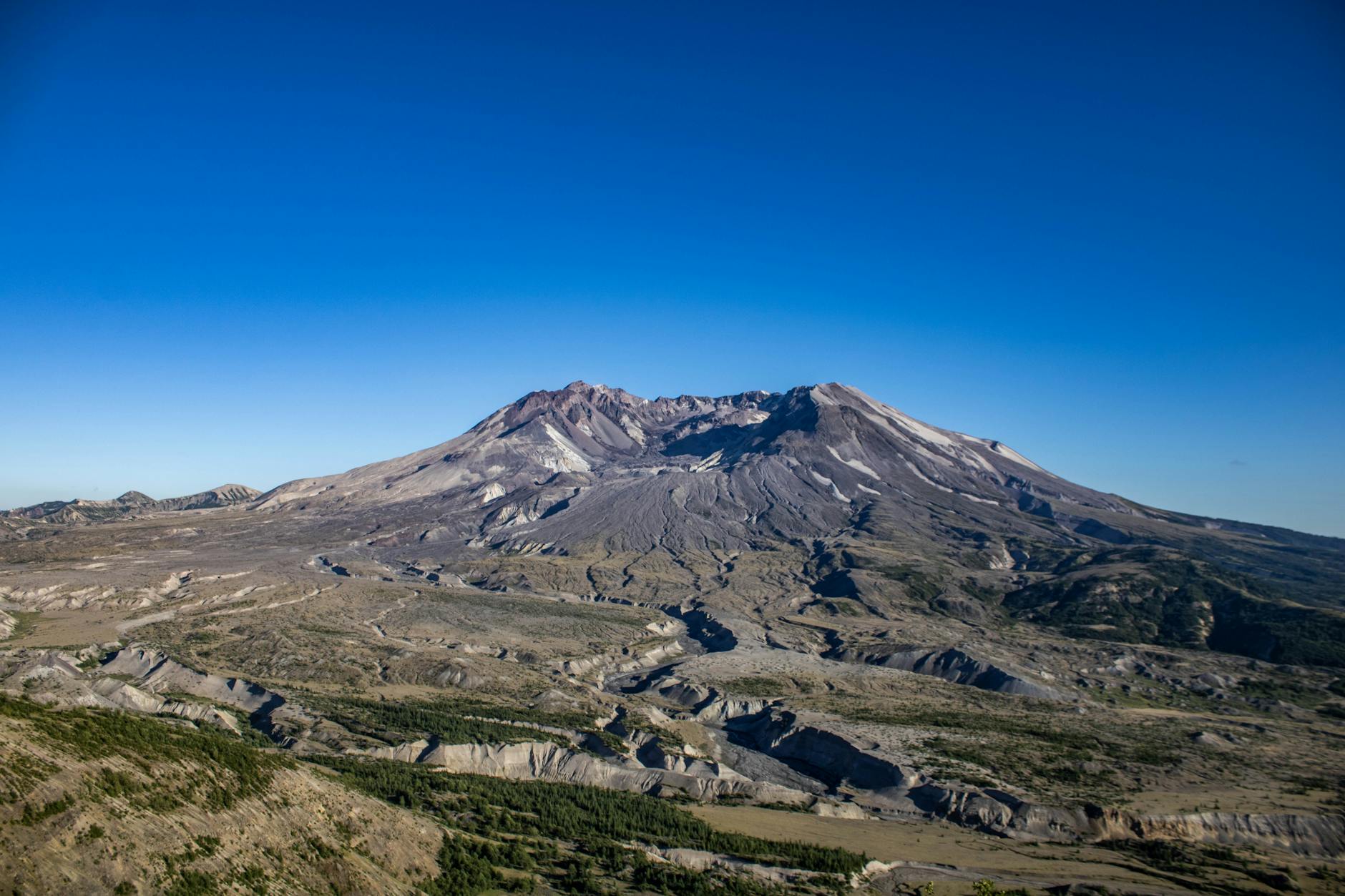
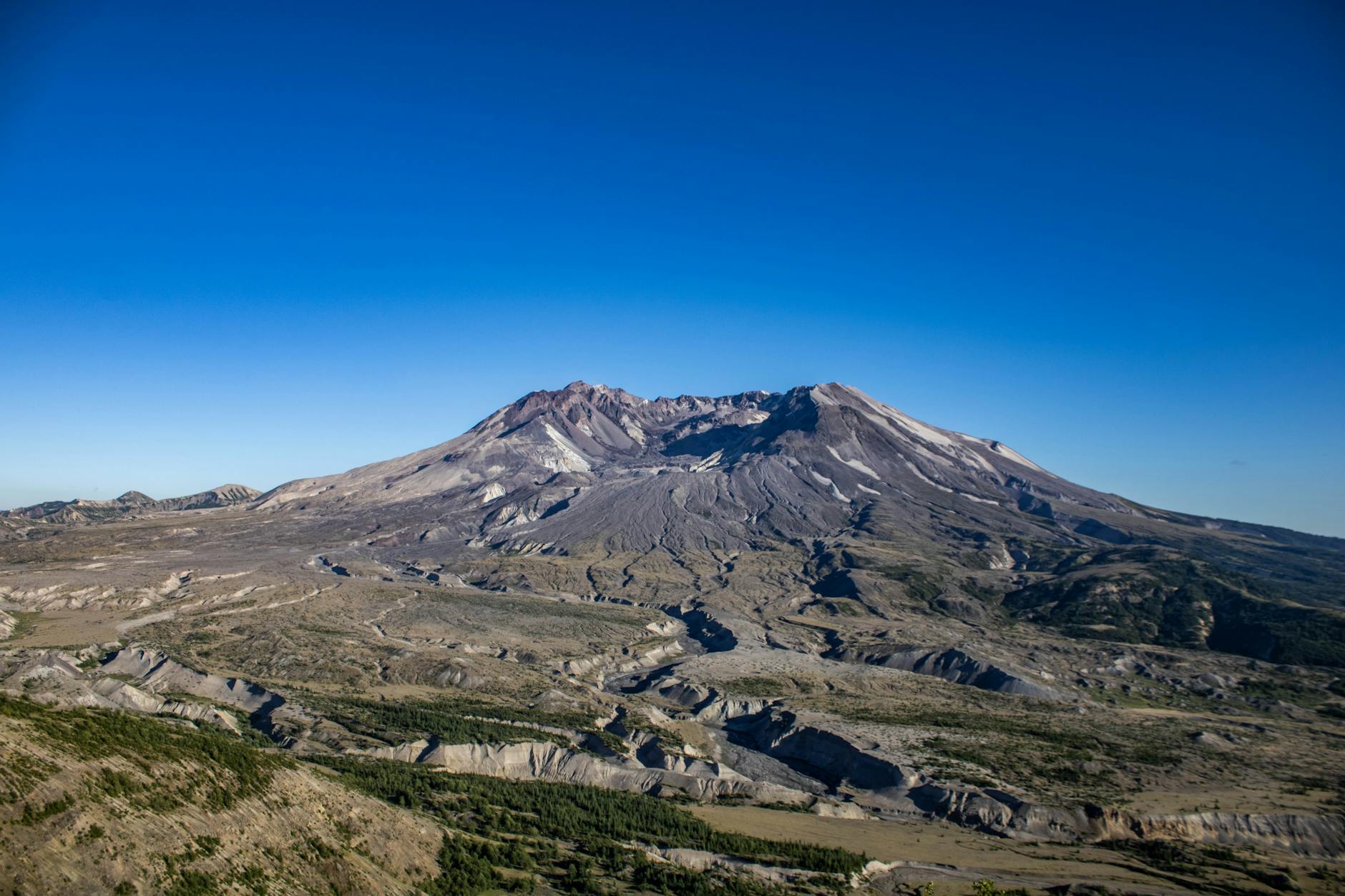
Mt St Helens

The road to Johnston Ridge Observatory remains closed following the 2023 landslide, and that has quietly changed how Mount St. Helens is best experienced. Many visitors still plan trips around a viewpoint that is no longer accessible.

The mountain itself has not become less interesting. The experience has simply shifted. Right now, the most practical and rewarding options are on the south and west sides of Mount St. Helens, especially near the Toutle River, where access is reliable and the landscape still tells the full story.

Start With What Is Actually Open

If you are arriving without a clear plan, the Mount St. Helens Visitor Center at Silver Lake is the best first stop. It provides context on the eruption, the recovery, and the geography without relying on closed roads or seasonal access.

The nearby boardwalk loop is flat and quiet, making it a good way to reset after travel. It also sets expectations correctly. Mount St. Helens is not a single viewpoint anymore. It is a region you move through.

Trails That Still Show the Impact of the Eruption

You do not need to reach the crater rim to understand what happened here. Several lower-elevation trails remain open and do a better job than most people expect.

  • Hummocks Trail offers a clear look at the debris fields and young forest created by the 1980 eruption.
  • Coldwater Lake Trail provides wide views and calmer terrain, especially useful when weather limits higher elevations.
  • Seaquest State Park is well suited for shorter walks close to Silver Lake and the visitor center.

If you are planning around road closures or shoulder seasons, this approach works better than trying to force access to a single destination. We break this down in more detail in our guide on how to visit Mount St. Helens during the Johnston Ridge closure.

Underground and Volcanic Features Still Worth the Trip

Even with certain roads closed, some of the most memorable experiences remain fully accessible. Ape Cave is a good example. It offers a direct encounter with volcanic geology rather than a distant view.

If you plan to visit, timing and preparation matter. Our Ape Cave hiking guide covers what to expect, when to go, and how to avoid common mistakes.

Time on the Water Matters More Than People Expect

The Toutle River and nearby Silver Lake offer a slower, quieter way to experience the area. Fishing, paddling, or simply spending time near the water often ends up being the part of the trip people remember most.

Wildlife sightings are common, especially early in the day or near dusk. Eagles, otters, and deer are part of the normal rhythm here. If that is a priority, our guide to wildlife watching near Castle Rock goes into more detail.

For anglers, we have also put together a focused Toutle River fishing guide that covers access points and seasonal considerations.

Plan for More Than One Day

With Johnston Ridge off the table, Mount St. Helens is no longer a single-stop destination. It works best as a multi-day visit with flexibility built in for weather and road conditions.

If you are visiting outside peak summer months, our overview of seasonal activities near Mount St. Helens can help set expectations. Families traveling together may also want to review what tends to work best in our post on family-friendly activities near Mount St. Helens.

Staying close to the mountain makes this kind of pacing easier. Shorter drives mean earlier starts, quieter evenings, and less time spent managing logistics. For visitors looking for a calm base near the south side, our riverfront cabin retreat was designed with this type of trip in mind.


Mount St. Helens has not become harder to visit. It has simply become less forgiving of outdated plans. If you focus on what is open, stay nearby, and give yourself time, the experience is still quiet, powerful, and worth the effort.

A Secluded Riverfront Cabin Retreat Near Portland

river cabin deck-overlooking toutle river castle rock wa

If you’re looking for a quiet, nature-filled escape just a short drive from Portland, you’ve found it.

Tucked into the woods of Castle Rock, Washington, The River Cabin sits directly on the banks of the Toutle River, offering a cozy and private retreat that feels a world away. It’s a place where time slows down — you can sip coffee on the deck or soak in the hot tub while bald eagles fly overhead, watch deer amble through the yard, or spot an otter slipping into the water just before dusk.

Whether you’re planning a romantic weekend, an adventure with friends, or simply need a solo recharge, this peaceful spot delivers exactly what your soul’s been craving.


🏞 Why Castle Rock is the Ideal Weekend Getaway from Portland

Just about 90 minutes north of the city, Castle Rock is one of Southwest Washington’s best-kept secrets. It’s the gateway to Mount St. Helens, surrounded by forest, water, and sky — without the tourist crowds.

Our riverfront cabin puts you in easy reach of:

  • Steelhead fishing on the Toutle River (yep, right down the steps to the riverbank)
  • Hiking in the Mount St. Helens National Volcanic Monument
  • Swimming holes, waterfalls, and wildflower meadows nearby
  • Spirit Lake Highway (one of the most scenic drives in the PNW)

It’s a nature-lover’s dream — and when you’re ready to relax, the hot tub, wood stove, and sounds of the river are waiting.


🏡 Inside the River Cabin

The cabin has a welcoming, woodsy vibe — rustic where it counts, but clean and comfortable throughout. It includes:

  • Private riverfront access with a deck and stone steps down to the water
  • Hot tub with a view of the river and towering trees
  • Main Level + loft (sleeps 6 comfortably)
  • Full kitchen and dining space
  • Wood stove and cozy living room for chilly evenings
  • Fast Wi-Fi, Movie Projector, board games, books
  • Heated bathroom floor for those cold winter nights

💬 “This is one of the best Airbnbs we’ve ever stayed at. Hanging out on the large, clean and bug-free porch was absolutely lovely with a beautiful view of the river and wildlife — we even saw river otters! … The host really goes above and beyond what a lot of other hosts do.”
Jenna, April 2025


🧭 What to Do While You’re Here

We’ve built a custom local guide just for our guests — you’ll find ideas for every season and interest, including:

🎣 Fishing: The Toutle is known for steelhead, and local guides are available for booking.
🥾 Hiking: From the easy Hummocks Trail to the more challenging Lava Canyon, there’s something for every skill level.
🌊 Swimming: Some of our favorite swimming holes are just minutes away — check the guidebook for exact spots.
🌋 Day Trips: The Mount St. Helens Visitor Center is just down the road. You can also explore Coldwater Lake, Johnston Ridge Observatory, or make the full drive up Spirit Lake Highway.
🍔 Local eats: Grab a burger at C&L Drive-In, or hit the coffee kiosk in Castle Rock for a cozy latte and pastry.

💬 “We spent hours out on the deck enjoying the comfortable furniture, convenient fire table, and gorgeous views of nature and wildlife. Hot tub was clean and the perfect temp.”
Kandice, June 2024

“My wife and I had a really nice, relaxing stay… we really enjoyed sitting on the porch overlooking the river and watching the hummingbirds come and go all day.”
Tyler, March 2025

Need inspiration? Browse our full guest guide here:
👉 River Cabin Airbnb Guidebook


🦅 Wildlife & Wonder

Nature is part of the experience here. Eagles nest nearby and often soar directly overhead or perch in the tree directly across the river from the back deck. Otters sometimes splash in the shallows in the early morning or just before dusk. Deer graze in the yard. In winter, you might even catch the sound of elk bugling in the distance.

There’s a certain stillness to the place — not empty, but alive in all the right ways.


💸 Book Direct and Save

Booking through rivercabin.us means:

  • No platform or service fees
  • Direct communication with us — the owners
  • The best available rate for your stay

And we’re happy to help you plan your trip.


🛶 Ready to Unplug?

If you’re feeling the pull to unplug, slow down, and be near water — The River Cabin is for you. We’ve hosted hundreds of guests over the years, and the most common thing we hear is: “We wish we stayed longer.”

So whether it’s for a weekend or a full week, come experience the stillness, the stars, the river, and the comfort of a space made for rest.

👉 Book your stay here
📩 Questions? Just reach out — we’re happy to help.