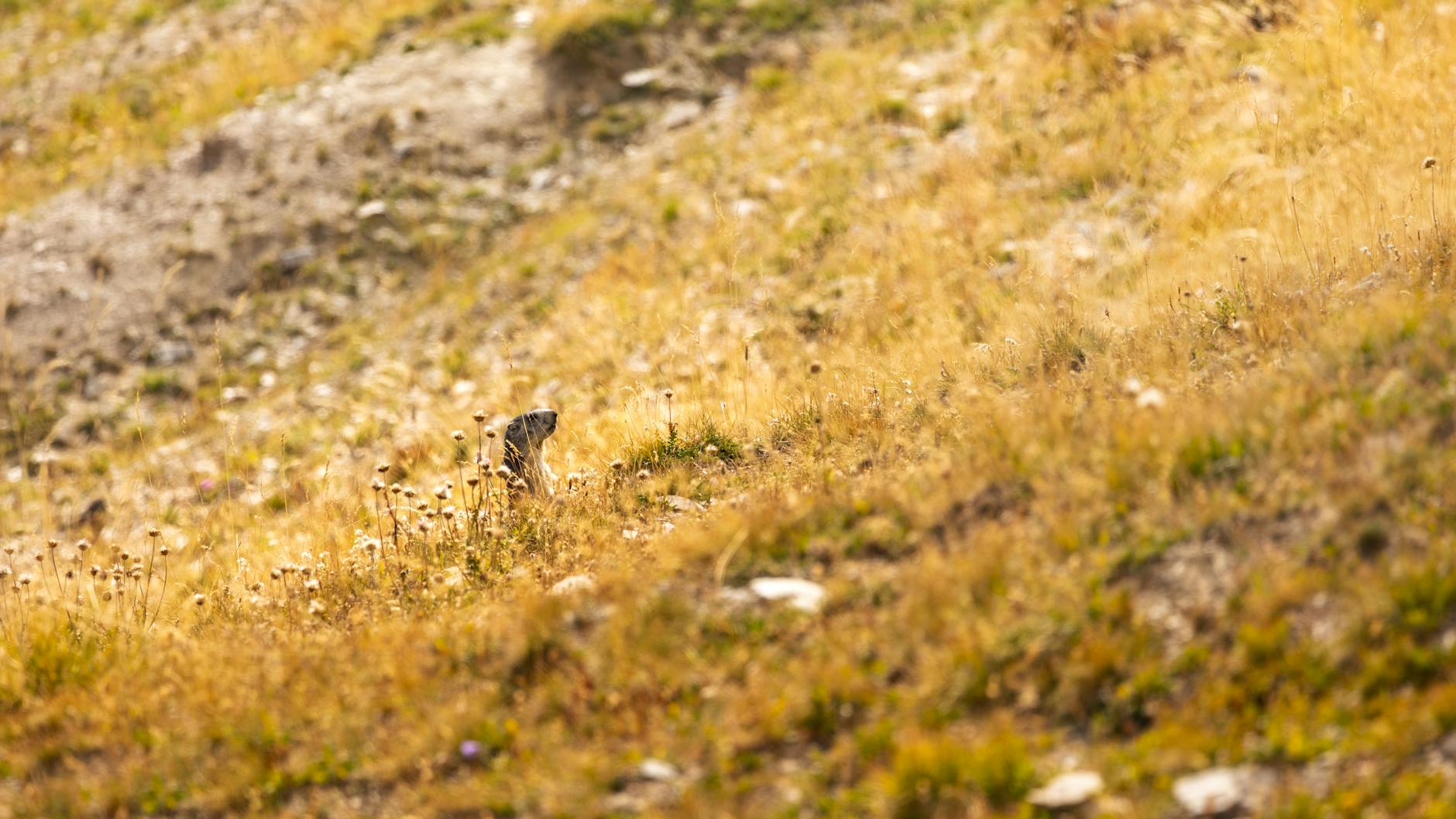
If you drive through Castle Rock and think there’s nothing here but a freeway exit and a gas station, congratulations, you’re doing it exactly like everyone else. And that’s why the wildlife still feels wild.
This stretch of southwest Washington sits in a sweet spot most people overlook. Rivers, forest, and the lower foothills of Mount St. Helens all collide here. Animals use it as a corridor. Humans mostly use it as a shortcut. That imbalance is why you can still see deer crossing at dawn, eagles working the river, and otters doing whatever it is otters do when they think nobody is watching.
If you want guaranteed sightings from a boardwalk with interpretive signs, this probably isn’t your scene. If you want real encounters that feel earned, read on.
Related Guides (Most Common Issues)
- Wildlife & Nature Near Mt. St. Helens This part of southwest Washington does not advertise itself loudly, and that is exactly why…
Timing Matters More Than Location
The single biggest mistake visitors make is going out at noon and wondering where everything went. Wildlife around Castle Rock runs on a simple schedule. Early morning and late evening are when things happen. Midday is when animals hide from people, dogs, and lifted trucks.
If you are not willing to get up early, you should lower your expectations accordingly. Dawn is prime time. Mist on the river, minimal noise, and animals moving with purpose. Dusk is a close second. Midday is for coffee and pretending you meant to take a nap.
The Animals You’re Most Likely to See
Yes, elk exist here. They are not mascots. They move when they want, where they want, and usually when you are not looking. Deer are far more common and far less dramatic. They will appear, stare at you like you’re the weird one, and disappear without explanation.
The real regulars are along the water. Bald eagles patrol the rivers year-round. Hawks work the clearings and tree lines. River otters show up when things are quiet and vanish the second someone starts talking too loudly. Beavers leave plenty of evidence even if you never catch them in the act.
Birdlife is constant if you slow down enough to notice it. Songbirds in the trees, waterfowl on calmer stretches, and the occasional heron standing perfectly still like it is judging your life choices.
Where to Look Without Ruining It
You will not find exact coordinates here, and that is intentional. The best wildlife watching spots stay good because they are not blasted all over the internet.
Instead, look for patterns.
- Quiet bends along the Toutle River and nearby tributaries where the water slows down.
- Old logging roads and lightly used forest tracks that create edges between trees and open space.
- Low, marshy areas and seasonal ponds that attract birds and amphibians, especially in spring and fall.
If you can hear traffic, you are probably too close to it. If you can hear the river and birds instead, you are in the right general area.
What to Bring and What to Leave Behind
You do not need expensive camera gear unless photography is your entire reason for being there. A decent pair of binoculars will outperform a phone camera every time. Wear neutral colors. This is not a fashion show.
Leave the portable speaker at home. Wildlife does not appreciate your playlist. Neither do locals.
Most importantly, bring patience. If you are in a hurry, you will see nothing and blame the place instead of yourself.
Basic Etiquette That Should Be Obvious but Somehow Isn’t
If an animal changes its behavior because of you, you are too close. That includes stopping, staring, moving away, or looking annoyed. Do not follow. Do not feed. Do not try to get a better angle.
Stay on established paths where they exist. Respect private property. Pack out what you bring in. This area still works because most people behave reasonably. Do your part.
If you need formal guidelines, the Washington Department of Fish and Wildlife has solid advice, and they have been doing this longer than any influencer.
Best Seasons for Wildlife Watching
Spring brings migratory birds and increased activity along rivers and wetlands. Fall is hard to beat, cooler weather, fewer people, and animals moving more during daylight hours.
Winter is quieter but rewarding if you know what you are doing and dress for it. Summer can be hit or miss depending on heat and crowds, but early mornings still deliver.
Why Staying Nearby Actually Matters
The best wildlife moments happen early and late, which is inconvenient if you are commuting from far away. Staying close means you can step outside with a cup of coffee and catch the river waking up, or watch the evening settle in without checking the clock.
If that sounds appealing, you can learn more about staying near the river and the foothills at rivercabin.us. It is a good base if quiet mornings, wildlife, and not being rushed are part of the plan.
Final Thought
Castle Rock does not advertise itself as a wildlife destination, and that is exactly why it works. If you come here expecting spectacle on demand, you will be disappointed. If you come prepared to slow down and pay attention, you will see far more than you expected.